


Snack Packing Machine Supplier Evaluation: 12 Checks Before RFQ
A practical procurement guide for evaluating snack packaging equipment suppliers before issuing an RFQ, covering compliance, weighing accuracy, speed, integration, sanitation, factory capability, validation, total cost of ownership, service support, and supplier risk. The guide also explains how Kenwei supports automated weighing and packing projects with multihead weighers, linear weighers, check weighers, metal detectors, and customized food packaging machinery.
- How to Screen a Snack Packaging Equipment Supplier Before Pricing
- 1. Confirm the supplier’s manufacturing scope
- 2. Check food-contact materials and hygienic design
- 3. Validate legal, electrical, and machine-safety readiness
- 4. Ask for references that match the product category
- Engineering and Performance Checks for the Proposed Weighing Line
- 5. Define the product and recipe data precisely
- 6. Separate nominal speed from guaranteed performance
- 7. Verify packaging-material and bag-format compatibility
- 8. Assess controls, data, and line integration
- Commercial, Validation, and Lifecycle Checks Before Issuing an RFQ
- 9. Compare total cost of ownership, not only purchase price
- 10. Require a structured factory acceptance test
- 11. Evaluate installation, training, and after-sales capability
- 12. Confirm documentation, change control, and long-term scalability
- How Kenwei supports automated snack weighing and packing projects
- Frequently Asked Questions
Evaluating a snack packing machine supplier before an RFQ requires more than comparing quoted prices. Buyers should verify food-safety compliance, target throughput, weighing accuracy, product handling, packaging compatibility, line integration, factory quality controls, installation resources, spare-parts availability, and total cost of ownership. The most reliable procurement process converts these requirements into measurable acceptance criteria before suppliers submit technical and commercial proposals.
How to Screen a Snack Packaging Equipment Supplier Before Pricing
1. Confirm the supplier’s manufacturing scope
Start by determining whether the vendor designs and manufactures core equipment or mainly resells third-party systems. A manufacturer with in-house engineering, fabrication, electrical assembly, software configuration, testing, and commissioning capabilities can usually respond faster when a project requires product-contact changes, discharge modifications, conveyor adjustments, or control-system integration. Buyers should request a company profile, factory photographs or video, product range, organization structure, and a clear explanation of which components are produced internally.
The relevant scope may include a combination weigher, multihead weigher, linear weigher, vertical form-fill-seal unit, premade pouch system, check weigher, metal detector, bucket elevator, feeding conveyor, and finished-bag conveyor. Supplier responsibility should be mapped across the entire line so that gaps between weighing, bag forming, sealing, inspection, and case packing do not appear after purchase order approval.
2. Check food-contact materials and hygienic design
Snack products often include fried chips, nuts, seeds, granola, confectionery, dried fruit, pellets, and fragile extruded pieces. Their oil content, dust, irregular shape, and breakage sensitivity create different sanitation and handling demands. Ask for food-contact material specifications, surface-finish information, access points for cleaning, drainage provisions where applicable, removable parts, guarding details, and documentation for lubricants or other processing aids.
A supplier should be able to explain how the proposed design supports a documented food-safety system. The ISO 22000 food safety management standard provides a recognized framework for organizations in the food chain, while the Codex General Principles of Food Hygiene address hygienic practices and hazard control. Certification alone is not enough; the machine design and cleaning procedure must fit the buyer’s actual product and facility.
3. Validate legal, electrical, and machine-safety readiness
Export projects require clarity on electrical standards, guarding, emergency stops, control-panel construction, documentation language, and regional conformity obligations. The supplier should identify the intended market and state which standards are included in the base quotation and which require engineering changes. A generic certificate should not be accepted as proof that the complete line complies with the buyer’s local requirements.
Mechanical risk assessment should be addressed systematically. ISO 12100 provides principles for machinery risk assessment and risk reduction. Buyers should request a risk assessment summary, safety-circuit description, operator instructions, electrical drawings, and spare-parts list before final commercial negotiations.
4. Ask for references that match the product category
References are most useful when they match the proposed product, speed, bag format, and operating environment. A supplier experienced with free-flowing peanuts may not automatically be suitable for delicate chips, sticky coated snacks, dusty pellets, or mixed products. Request anonymized performance information or customer references covering similar product characteristics, target weights, production hours, and packaging materials.
Reference checks should focus on actual operating outcomes: weight consistency, giveaway, product damage, cleaning time, unplanned stoppages, response time, and spare-parts delivery. These details reveal more about supplier performance than a general statement that the equipment is high speed or high precision.
Engineering and Performance Checks for the Proposed Weighing Line
5. Define the product and recipe data precisely
Before requesting an offer, prepare a product matrix covering product name, bulk density, particle size, moisture or oil characteristics, temperature, fragility, dust level, coefficient of friction, and expected variation. Include target weights, allowable tolerances, product combinations, and the number of recipes required. A multihead weigher is selected and configured according to these variables, not simply by the number of heads.
For mixed snacks, ask whether the combination algorithm can manage multiple components without creating segregation or excessive product residence time. For fragile products, examine hopper geometry, drop height, vibration control, and discharge timing. For sticky or oily materials, check the feasibility of anti-stick surfaces, cleaning access, and suitable feeding mechanisms.
6. Separate nominal speed from guaranteed performance
Catalog speed is typically a maximum under favorable conditions. The RFQ should request a guaranteed operating range based on the buyer’s product, target weight, bag size, accuracy requirement, and packaging format. Performance should be expressed using measurable indicators such as acceptable packs per minute, weighing accuracy, giveaway, rejection rate, availability, and changeover duration.
Ask whether the quoted speed includes infeed, weighing, bag making, sealing, inspection, and discharge. A fast weigher cannot deliver line output if the bagger has a slower cycle, the film unwinds inconsistently, or the inspection unit frequently rejects packs. A line-balancing diagram and a factory acceptance test plan help prevent optimistic assumptions.
7. Verify packaging-material and bag-format compatibility
Packaging materials can include laminated films, recyclable mono-material structures, paper-based laminates, premade pouches, pillow bags, gusseted bags, and quad-seal formats. The supplier should specify supported film widths, thickness ranges, sealing temperature windows, registration-mark requirements, zipper or valve options, and maximum roll diameter. Sample film trials are strongly recommended before final approval.
The proposal should also explain how the system handles film tracking, seal-jaw pressure, date coding, nitrogen flushing where required, bag-length variation, and product trapped in the seal area. These factors affect shelf life, appearance, leakage risk, and consumer complaints, so they belong in the technical specification rather than being left to installation-stage discussion.
8. Assess controls, data, and line integration
Modern food packing machinery should support recipe management, password-controlled access, alarm history, production counters, fault diagnosis, and repeatable changeover settings. Ask which functions are included in the human-machine interface and whether production data can be exported or connected to the plant’s supervisory system. The supplier should disclose control-platform brands, communication protocols, remote-support limitations, and cybersecurity responsibilities.
Integration must cover upstream feeding and downstream handling. Confirm interface signals between the weighing head, bagger, metal detector, check weigher, conveyor, printer, case packer, and plant network. The buyer should receive an interface list, layout drawing, utility schedule, and responsibility matrix showing who supplies each conveyor, sensor, cable, guarding section, and software connection.
| Evaluation area | Weak RFQ requirement | Stronger RFQ requirement | Why it matters |
|---|---|---|---|
| Output | High speed | Guaranteed packs per minute for a named product and bag format | Creates a measurable acceptance target |
| Accuracy | High precision | Target weight, tolerance, test quantity, and reporting method | Controls giveaway and compliance risk |
| Hygiene | Food grade | Material, cleaning, access, and documentation requirements | Links equipment design to sanitation procedures |
| Integration | Complete line | Layout, utilities, signals, interfaces, and supply boundaries | Reduces commissioning disputes |
| Service | After-sales support available | Response channel, spare-parts lead time, training, and escalation path | Protects production continuity |
Commercial, Validation, and Lifecycle Checks Before Issuing an RFQ
9. Compare total cost of ownership, not only purchase price
The lowest initial quotation may not be the lowest-cost solution. Build a total-cost model covering equipment price, freight, duties, installation, commissioning, operator training, utilities, consumables, spare parts, planned maintenance, unplanned downtime, product giveaway, and future format changes. For a high-volume snack line, even a small increase in giveaway can materially affect annual raw-material cost.
Request power consumption, compressed-air demand, recommended maintenance intervals, wear-part pricing, and expected replacement cycles. Clarify what is covered by warranty, whether travel and labor are included, and how warranty claims are handled when the equipment is installed outside the supplier’s home market.
10. Require a structured factory acceptance test
The factory acceptance test should use the buyer’s product, packaging material, target weights, recipes, and operating conditions whenever feasible. The protocol should define warm-up time, test duration, sample size, acceptable weight distribution, giveaway calculation, seal quality, rejection performance, safety checks, alarm recovery, and changeover steps.
Test results should be recorded and signed by both parties. If the actual product is unavailable, the supplier must state which substitute was used and identify the performance risks that remain open. A successful demonstration is not a substitute for documented criteria; it is evidence against those criteria.
11. Evaluate installation, training, and after-sales capability
Installation planning should identify site readiness, floor loading, access dimensions, power supply, air quality, network requirements, lifting equipment, and local safety procedures. Ask how many technicians will attend, how long commissioning normally requires, and what the buyer must prepare before arrival. Training should cover operation, recipe creation, cleaning, preventive maintenance, troubleshooting, and safe intervention.
After-sales evaluation should include service hours, remote diagnostics, technical languages, escalation levels, spare-parts stock, software support, and local partner capability. A supplier with a clear service process can reduce the operational impact of sensor faults, calibration issues, film tracking problems, or weighing instability.
12. Confirm documentation, change control, and long-term scalability
The final quotation should list manuals, electrical drawings, pneumatic diagrams, software backups, parameter files, recommended spare parts, conformity documents, calibration records, and maintenance schedules. Every exception should be visible in the offer. Vague phrases such as “according to standard configuration” can create expensive misunderstandings later.
Also assess whether the platform can support future products, additional weighing heads, new bag sizes, automatic inspection, or a second packaging line. A scalable architecture may have a higher initial price but lower expansion cost. Purchase contracts should define approval procedures for substitutions, engineering changes, delivery delays, performance shortfalls, and acceptance milestones.
How Kenwei supports automated snack weighing and packing projects
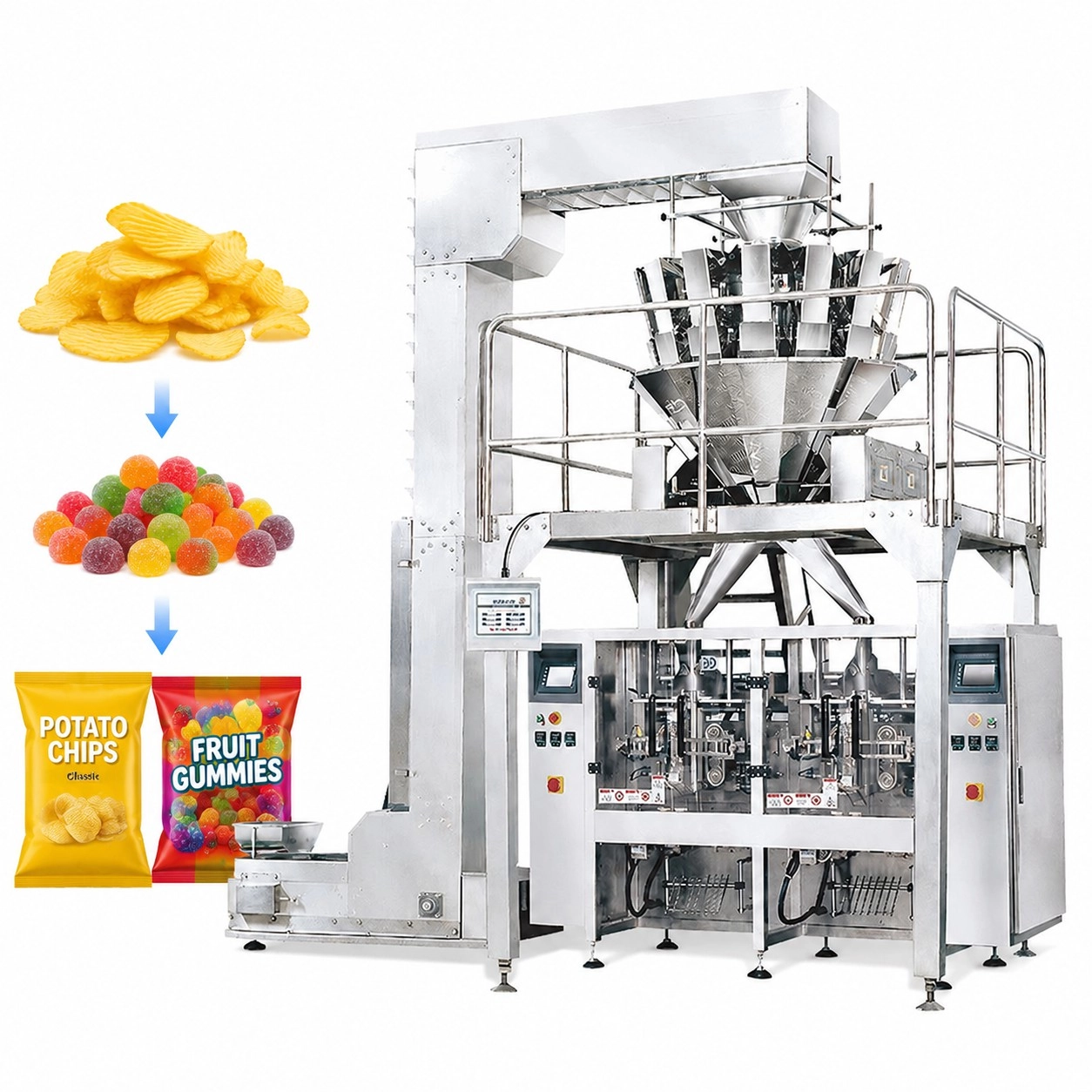
Kenwei is a specialized manufacturer of weighing and inspection equipment for automated food packaging applications. We develop and manufacture multihead weighers, linear weighers, metal detectors, and check weighers, with a focus on high speed and high precision. Our equipment can be configured for products such as chips, nuts, seeds, confectionery, dried fruit, pellets, and other free-flowing or irregular snack items.
Our product portfolio includes a multihead weigher packing machine, multihead weigher, combination weigher, linear weigher, check weigher, metal detector, counting machine, food packaging machine, and supporting food packing machinery. This portfolio allows project owners to evaluate weighing, foreign-body detection, weight verification, and packaging as a coordinated system rather than as disconnected equipment purchases.
We provide one-stop automated weighing and packaging solutions for customers requiring customized layouts, recipes, product handling, bag formats, and line interfaces. Our engineering process can address product trials, equipment selection, line design, manufacturing, factory testing, installation, commissioning, technical training, and after-sales service. This integrated responsibility helps reduce the risk of interface problems between a weigher, bagger, inspection unit, and discharge conveyor.
Guangdong Kenwei is located in Fusha High-tech Industrial Park, Zhongshan City, Guangdong Province. Our company is equipped with an automated weighing and packaging system and has capabilities spanning design and development, manufacturing, marketing, installation and commissioning, technical training, and service support. For buyers comparing global suppliers, this combination of technical scope and project execution capability is relevant when assessing supplier continuity and lifecycle support.
Our equipment is developed to support stable output, accurate dosing, efficient changeovers, and practical operation. The final configuration remains dependent on the product, target weight, packaging material, required speed, local standards, and factory conditions. We therefore recommend that buyers provide representative samples and a complete product matrix before requesting a formal quotation.
Kenwei’s vision is to become the world’s leading weighing packing machine manufacturer. Buyers can review product information and solution capabilities at Kenwei’s official website or contact our team at kenwei01@multiweigh.com.cn for project-specific technical evaluation.
Contact Kenwei to review your product data, line layout, and performance targets, or explore our weighing, inspection, and automated food packing machinery solutions before issuing an RFQ.
Frequently Asked Questions
What information should be included before requesting a quotation for snack packaging equipment?
Buyers should prepare product characteristics, target weights, allowable tolerances, bag formats, packaging-material specifications, required output, recipes, factory utilities, local compliance requirements, and layout constraints before requesting a formal quotation.
How should a buyer compare the speed claims of different suppliers?
Speed should be evaluated as a guaranteed number of acceptable packs per minute for a named product, target weight, bag format, and accuracy requirement. Buyers should also confirm whether the stated output includes weighing, bag forming, sealing, inspection, and discharge.
Why are product samples important when selecting a multihead weigher?
Product samples allow the supplier to assess bulk density, particle size, oil or moisture characteristics, fragility, dust, flow behavior, and product variation. These factors influence hopper design, vibration settings, weighing performance, product damage, and achievable output.
What should a factory acceptance test include?
A factory acceptance test should define the product and film used, warm-up time, test duration, sample size, weight distribution, giveaway calculation, seal quality, rejection performance, safety checks, alarm recovery, and changeover steps. Results should be recorded and approved by both parties.
What service capabilities should be checked before selecting a supplier?
Buyers should check installation resources, commissioning support, operator training, preventive-maintenance guidance, remote diagnostics, technical languages, response channels, escalation procedures, spare-parts stock, software support, and local service-partner capability.
Why should total cost of ownership be compared instead of purchase price alone?
Total cost includes freight, duties, installation, training, utilities, consumables, spare parts, maintenance, downtime, product giveaway, and future format changes. A lower initial price may result in higher operating or expansion costs.
Tags
food processing metal detector
food processing metal detector
vacuum food packaging machine
vacuum food packaging machine
Linear Weighing Machine
Linear Weighing Machine
metal detector for food industry
metal detector for food industry
china linear weigher
china linear weigher
metal detector for food production line
metal detector for food production line
Recommended for you
The latest trends for food packing machine
HACCP and Metal Detector Compliance for Food Manufacturers

Top 10 Metal Detector Models for High-Speed Packaging Lines
Throughput Comparison: Multihead Weigher Options for Pickles
You may also like
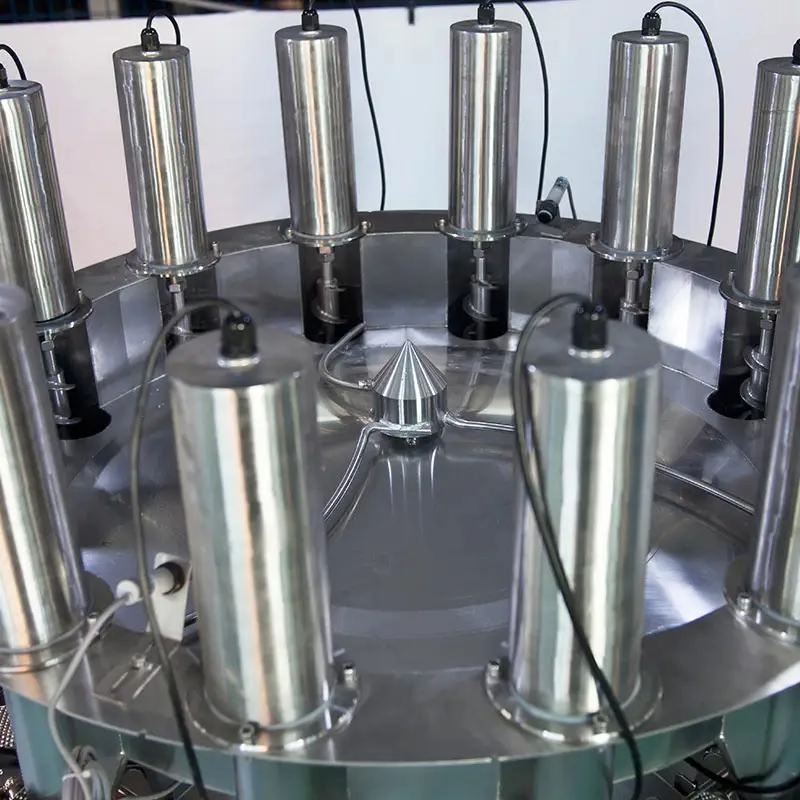
14 Heads Vertical Single Screw Feeding Pickles Weigher backups
This type of weigher is designed to handle the unique characteristics of pickles, ensuring precise measurements for packaging and distribution. It uses a vertical single screw mechanism to feed the pickles into the weighing system, allowing for efficient and consistent weighing. This technology is particularly useful in food processing and packaging facilities where precise portioning is essential for quality control and customer satisfaction. This specialized equipment is perfect for accurately measuring and dispensing pickles in a production line or packaging facility. The vertical design allows for efficient and precise filling of containers, while the single screw feeding mechanism ensures consistent and reliable weighing.
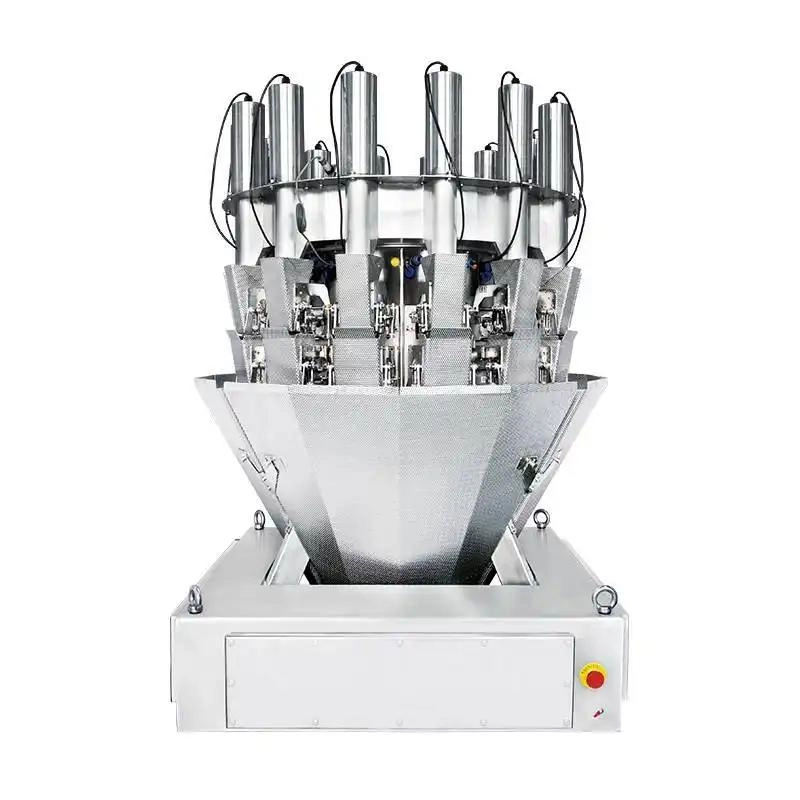
High-Speed Combination Weigher and Dual-Lane Packaging Solution for Food Manufacturers JW-B2
High-Speed Combination Weigher and Packaging Solution by Kenwei offers precise multi-head weighing and efficient dual-lane packing for food manufacturers seeking reliable speed and accuracy. This Combination Weigher integrates seamlessly into production lines to optimize throughput and reduce waste.
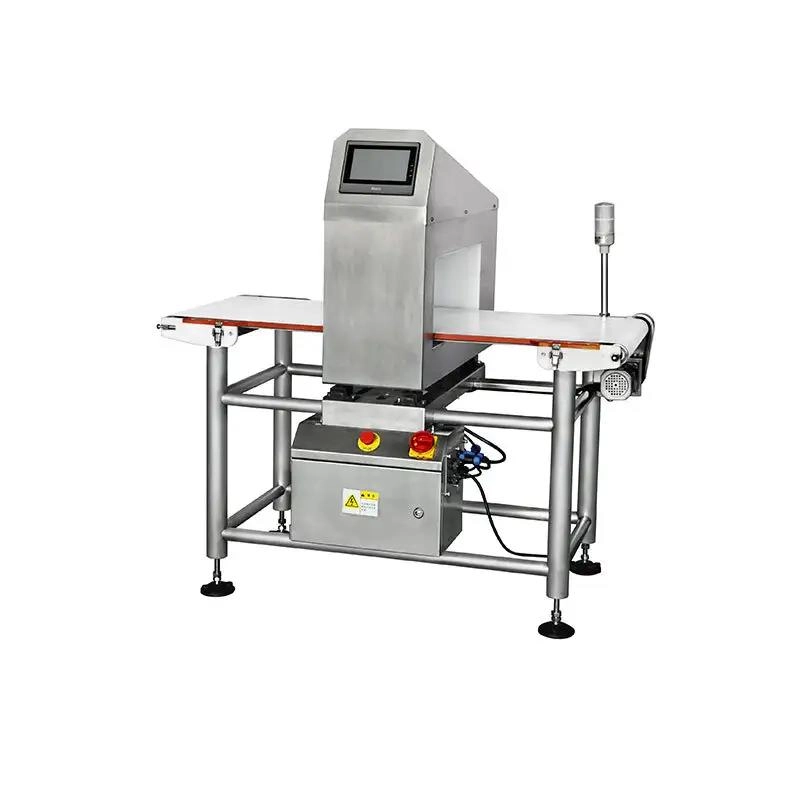
Food Metal Detector Manufacturer For Reject Defective Products G5020
The G5020 multi-frequency metal detector features a specialized conveyor belt designed to reduce contamination risks, ensure smooth operation, and maintain high detection sensitivity. It is easy to disassemble for convenient maintenance. Ideal for detecting metal contaminants in food, pharmaceuticals, spices, plastics, electronics, textiles, toys, handicrafts, and more.

6 Head Checkweigher for 50g Small Package Inspection
Checkweigher for 50g Small Package Inspection by Kenwei offers precise weight verification with six heads, ensuring fast and accurate sorting of small packages. Designed for consistent quality control in production lines, it minimizes errors and optimizes efficiency.
Contact Kenwei
Our company is located in areas with convenient transportation and developed economy. Our products are supplied in a timely manner. In the course of business operation, we always focus on customers.Have any questions or concerns about our products? Please leave us a message here, and our team will get back to you promptly.
Kenwei
Kenwei
Kenwei multi weigh
Kenwei
Kenwei
Kenwei