


Multihead Weigher for Stick-Shaped Products
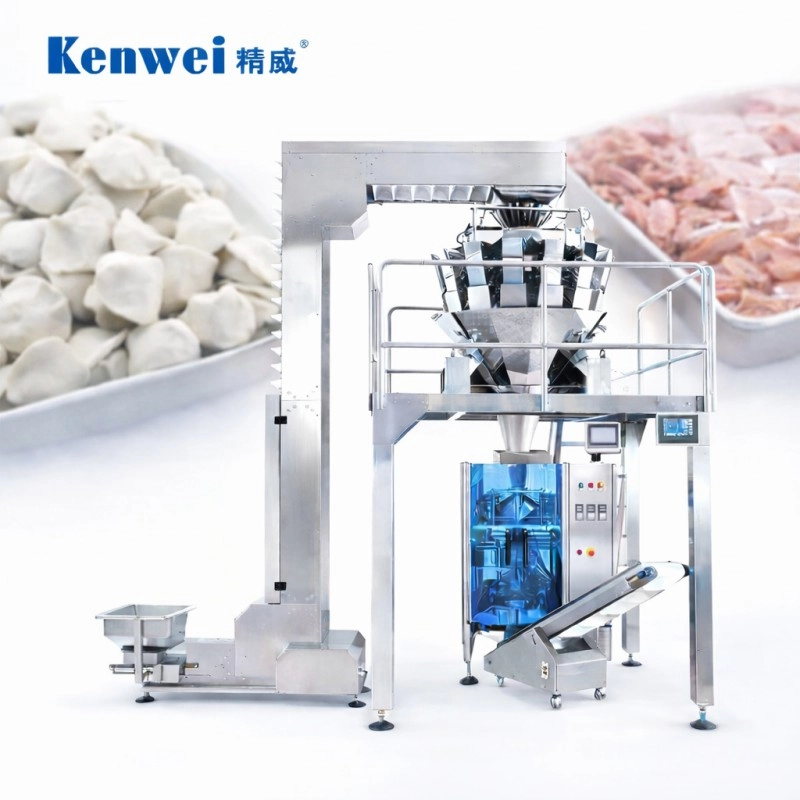
Kenwei’s multihead weigher for stick-shaped products is an automated, high-speed and high-precision weighing solution designed for elongated snacks, confectionery, frozen foods, vegetables and other irregular products. Its multi-point weighing architecture helps improve target-weight accuracy, reduce giveaway, support continuous packaging lines and accommodate customized production requirements. With integrated design, manufacturing, installation, commissioning, training and after-sales service, Kenwei provides complete weighing and packaging solutions for food manufacturers seeking reliable throughput, flexible product handling and lower operating costs.
- How Can Stick-Product Weighing Improve Packaging Efficiency?
- Why are elongated products difficult to portion accurately?
- What production problems can combination weighing solve?
- How does a weigher support downstream packaging equipment?
- What Features Should Buyers Evaluate in a Multihead Weigher?
- How should accuracy and speed be assessed?
- Why are feeder design and product handling important?
- What controls and sanitation details should be reviewed?
- How Can Manufacturers Select the Right Weighing Configuration?
- What product information should be provided to the supplier?
- When is a customized automated packaging line worthwhile?
- How should compliance and quality documentation be verified?
- Why Choose Kenwei for Weighing and Packaging Automation?
- How does Kenwei support the complete project lifecycle?
- What service questions should a buyer ask before ordering?
- How can a factory estimate return on investment?
- What Should Buyers Know About Stick-Product Multihead Weighers?

Kenwei’s multihead weigher for stick-shaped products is engineered for manufacturers that need accurate, continuous weighing of elongated and irregular items. Stick-shaped snacks, potato strips, shrimp, vegetable pieces, frozen products and similar materials can be difficult to portion because they may bridge, overlap or move unpredictably through conventional weighing equipment. A correctly configured multihead weigher addresses these issues through coordinated weighing hoppers, intelligent combination calculation and controlled discharge.
For processors, the business objective is not simply faster weighing. The equipment must control giveaway, maintain stable portions, protect product quality and integrate smoothly with bagging, cartoning or other downstream packaging systems. Kenwei combines equipment development, manufacturing, installation, commissioning, technical training and after-sales support, giving customers a single source for automated weighing and packaging development.
How Can Stick-Product Weighing Improve Packaging Efficiency?
Why are elongated products difficult to portion accurately?
Long products frequently create unstable flow conditions. They can form bridges in storage areas, lodge across feeder surfaces or enter a weighing hopper in clusters. These behaviors cause inconsistent feeding and make a basic single-hopper system more likely to overfill or underfill. A multihead weigher uses multiple weighing points so the control system can select a suitable combination of hoppers instead of relying on one portion at a time.
This approach is especially valuable when the product has different lengths, surface textures or moisture levels. The operator can select an appropriate feeding pattern and adjust operating parameters according to the material. Proper product testing remains essential because stick diameter, length, density, coating and temperature all affect flow behavior and the final machine configuration.
What production problems can combination weighing solve?
Combination weighing helps the machine reach the target weight with a practical balance of speed and accuracy. Rather than intentionally filling every package above target, the controller evaluates available hopper weights and chooses a combination close to the required value. This can reduce product giveaway, which is particularly important for higher-value snacks, frozen foods, meat products and branded confectionery.
Automated weighing also reduces dependence on manual portioning. Consistent digital control supports repeatable production records, faster line operation and easier adjustment when the target weight changes. The result is a more predictable packaging process, provided that product feed, machine cleaning and calibration procedures are managed correctly.
How does a weigher support downstream packaging equipment?
A weighing system is most effective when it operates as part of a complete line. Discharge timing, product drop height, bagger communication and conveyor synchronization influence both throughput and package appearance. Kenwei can help develop one-stop automated weighing and packaging solutions around the customer’s product, target weight, packaging format and available factory space.
Before purchase, buyers should confirm the required interface, frame layout, discharge arrangement, sanitation expectations and available headroom. These details prevent costly modifications during installation and help ensure that the weigher and packaging machine operate as one coordinated production system.
What Features Should Buyers Evaluate in a Multihead Weigher?
How should accuracy and speed be assessed?
Accuracy should be evaluated at the intended target weight and production rate, not only under ideal demonstration conditions. Ask the supplier to test representative product samples and report repeatability, average giveaway, achievable speed and rejection behavior. Product fragility must also be considered: aggressive feeding may increase breakage even if the nominal weighing result is accurate.
Speed is equally application-dependent. A line handling free-flowing dry snacks may achieve different results from a line handling sticky, frozen or fragile sticks. A professional supplier should discuss the relationship between target weight, product characteristics, hopper capacity, feed settings and packaging cycle rather than promise a universal output figure.
Why are feeder design and product handling important?
Feeder geometry determines how consistently product reaches the weighing hoppers. For stick-shaped materials, controlled vibration, suitable contact surfaces and carefully selected chute angles can help prevent bridging and uncontrolled surges. The correct configuration should minimize product damage while maintaining a stable supply to the weighing system.
Hopper design also affects discharge reliability. If pieces remain trapped or fall late, the machine may miss the packaging cycle or create weight variation. Buyers should review sample tests, cleaning access, product-contact materials and changeover procedures before approving the final design.
What controls and sanitation details should be reviewed?
Modern weighing lines should provide clear operator controls for recipes, target weights, feeding parameters and alarm conditions. Recipe management is useful when one line handles multiple products or package sizes, because it reduces setup errors and supports faster changeovers. The control interface should be practical for production teams, maintenance personnel and supervisors.
For food applications, hygienic design is a purchasing requirement rather than an optional feature. Consider stainless-steel construction, accessible contact areas, drainage, tool-free removal where appropriate and cleaning compatibility. The ISO 22000 food safety management standard provides a useful framework for evaluating how equipment fits into broader food-safety controls, although the applicable legal and customer requirements depend on the market.
How Can Manufacturers Select the Right Weighing Configuration?
What product information should be provided to the supplier?
Start with a complete product profile: average piece weight, minimum and maximum length, diameter, density, moisture, temperature, coating, breakage sensitivity and flow characteristics. Also provide the required target weights, acceptable tolerances, bags per minute, working hours and expected future products. This information allows the supplier to recommend a suitable machine configuration instead of relying on a generic catalog selection.
Sample testing is one of the strongest ways to reduce project risk. Send enough representative product to cover normal variation, including the smallest, largest, driest and most fragile pieces. Test results should be reviewed alongside product loss, cleaning time and operator workload, because the lowest purchase price may not deliver the lowest total cost of ownership.
When is a customized automated packaging line worthwhile?
Customization becomes valuable when the product, packaging format or factory layout falls outside standard conditions. A tailored line may include a product distribution conveyor, elevator, metal detector, check weigher, bagging machine, date coder and finished-product conveyor. Integrating these stages can reduce manual handling, improve traceability and simplify responsibility for commissioning.
Kenwei develops and manufactures metal detectors, multihead weighers, linear weighers and check weighers, allowing customers to discuss several line functions with one experienced automation partner. The company’s facilities in Fusha High-tech Industrial Park, Zhongshan, Guangdong, support design, production and technical service for customized weighing and packaging projects.
How should compliance and quality documentation be verified?
Request documentation relevant to the destination market, including electrical standards, material declarations, operating instructions, maintenance procedures and factory acceptance test records. Food manufacturers exporting to the United States should also review applicable requirements from the U.S. Food and Drug Administration food-contact materials guidance.
Equipment should be evaluated against the customer’s complete hazard-control plan, not only a machine brochure. The ISO 13849-1 machinery safety standard can help buyers and engineers discuss safety-related control systems, while local regulations and the integrator’s risk assessment determine the final implementation.
Why Choose Kenwei for Weighing and Packaging Automation?
How does Kenwei support the complete project lifecycle?
Kenwei’s capability extends from product and machine design through manufacturing, marketing, installation, commissioning, technical training and after-sales service. This lifecycle coverage matters because weighing performance depends on more than the machine itself. Correct installation, product-specific parameter settings, operator training and preventive maintenance all influence long-term results.
A single technical partner can also make troubleshooting more efficient when the weighing machine, conveyors and packaging equipment need to communicate. Kenwei’s stated focus on high speed, high precision and responsive service is aligned with the practical needs of factories that cannot afford prolonged production interruptions.
What service questions should a buyer ask before ordering?
Clarify response times, spare-parts availability, remote support, preventive-maintenance training, warranty coverage and commissioning responsibilities. Ask whether the supplier can provide manuals, electrical drawings, recommended spare-parts lists and operator training in the required language. These details are especially important for exporters and factories operating multiple shifts.
Buyers should also agree on acceptance criteria before production begins. Define the test product, target weights, output expectations, permitted giveaway, acceptable product damage and documentation required for handover. Clear criteria create a fair basis for commissioning and make future performance reviews more objective.
How can a factory estimate return on investment?
Estimate savings from lower giveaway, reduced labor, fewer weighing errors, faster throughput and less downtime. Then compare these benefits with equipment cost, installation, utilities, cleaning labor, maintenance and expected product changeovers. A reliable calculation should use actual product value and operating hours rather than a generic percentage improvement.
Independent technical information can strengthen the evaluation: the FAO food quality and safety resource explains the broader importance of controlled food processing, while the ISO 9001 quality management overview provides context for evaluating documented processes and continual improvement. Together, equipment performance and management discipline determine the real return.
What Should Buyers Know About Stick-Product Multihead Weighers?
What products can a multihead weigher for stick-shaped products handle?
A multihead weigher for stick-shaped products can handle elongated snacks, potato strips, confectionery, frozen foods, vegetables, shrimp and other products with variable lengths or irregular flow. Final suitability depends on piece dimensions, density, moisture, coating, temperature and fragility, so representative product testing should be completed before the configuration is finalized.
How does combination weighing reduce product giveaway?
Combination weighing reduces giveaway by evaluating several available hopper weights and selecting a combination close to the programmed target. This method avoids relying on one oversized portion and can improve material utilization, although actual savings depend on product variation, target weight, tolerance, feeding stability and the operating speed required by the packaging line.
What information is needed to select the correct machine?
Buyers should provide product dimensions, average and maximum piece weight, density, moisture, temperature, fragility, target weights, tolerance, required bags per minute and working schedule. They should also describe the packaging format, factory space, cleaning method and future products, because these factors influence hopper capacity, feeder design, discharge layout and control requirements.
Can Kenwei integrate weighing with a complete packaging line?
Yes, Kenwei can support one-stop automated weighing and packaging solutions customized to the customer’s product and production requirements. Integration may involve conveyors, bagging equipment, metal detection, check weighing and product transfer, with installation, commissioning, technical training and after-sales service coordinated through the company’s project capabilities.
Which standards should food manufacturers review before installation?
Food manufacturers should review applicable food-safety, machinery-safety, electrical and food-contact requirements for their destination market. ISO 22000 can support food-safety management planning, ISO 13849-1 addresses safety-related control systems, and U.S. projects should review FDA food-contact guidance; local regulations and a documented risk assessment remain decisive.
How can a buyer verify performance before accepting the machine?
A buyer should agree on a factory or site acceptance test using representative product and defined criteria before ordering. The test should measure target-weight accuracy, average giveaway, production speed, product damage, changeover performance, alarms and discharge timing, while also confirming manuals, training, spare-parts information and commissioning records.
Tags
metal detector for food industry
metal detector for food industry
Inclined Chain Plate Converyorr
Inclined Chain Plate Converyorr
automatic combination weigher
automatic combination weigher
Linear weigh scale for industrial packaging
Linear weigh scale for industrial packaging
Linear weigher with touch screen
Linear weigher with touch screen
packaging machine for food products
packaging machine for food products
Recommended for you
How to Integrate a Food Metal Detector with Multihead Weighers
Where to Buy automatic check weighing equipment
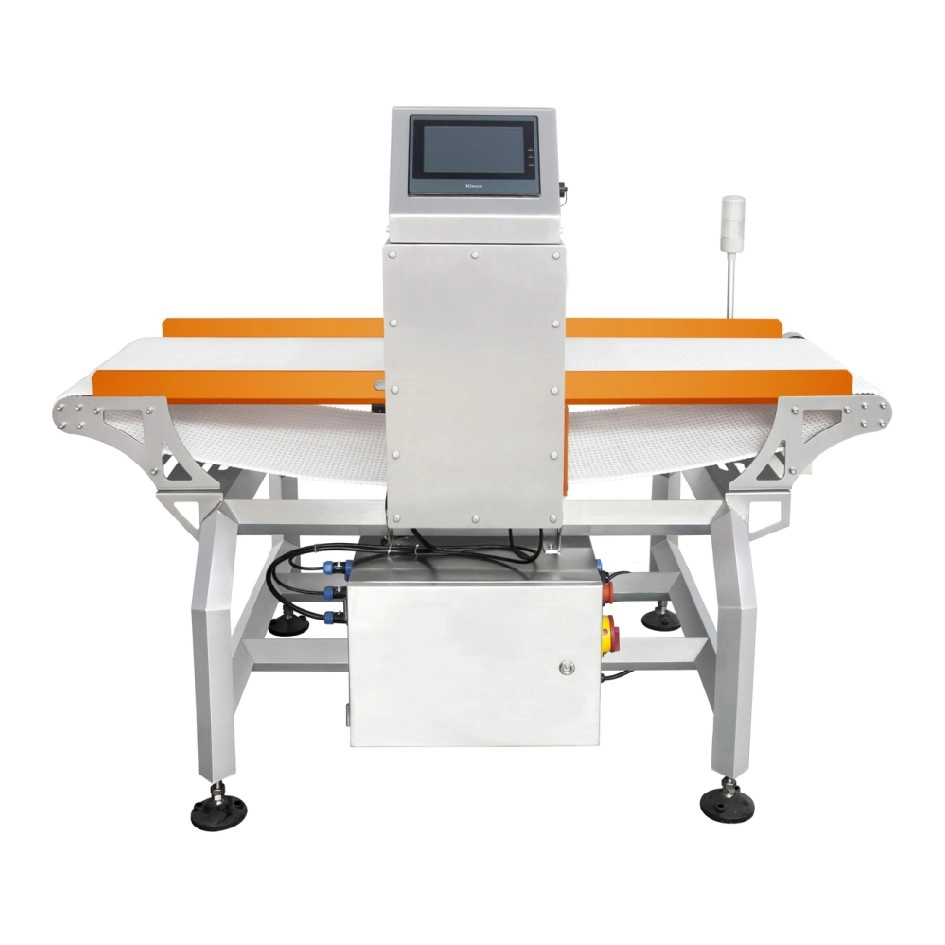
Compliance Guide: Good Metal Detectors and Food Standards
Best Combination Weigher Models 2026 for Snack Packaging
You may also like
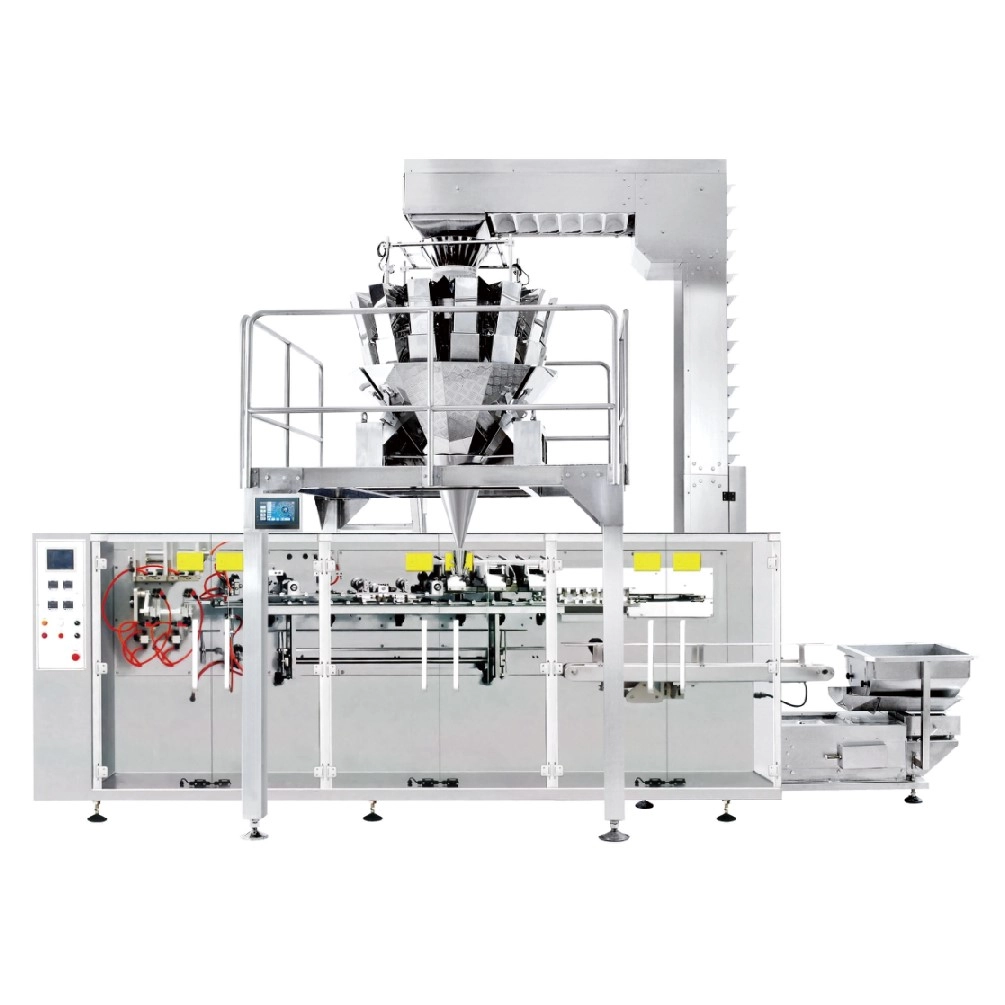
Horizontal Packaging Machine With Multihead Weigher for Weighing Pet Foods Puffy Foods B11
Horizontal Packaging Machine With Multihead Weigher for Weighing Pet Foods Puffy Foods B11 is a fully automatic solution for high-speed, high-accuracy packaging. Ideal for snacks like candy, jelly, nuts, and puffed food, as well as hardware and plastic granules in various shapes. It supports premade bags with firm, attractive sealing. Designed for customers needing high production efficiency and large output capacity.
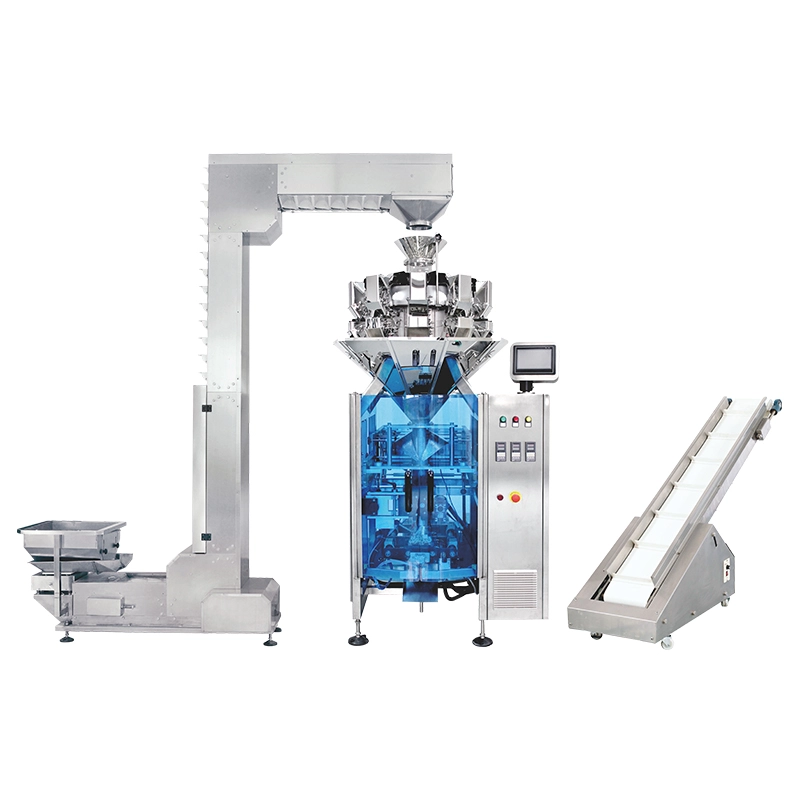
Combined Multihead Weighing Weigher and Packaging Machine with Z Conveyor JW-B4
The JW-B4 Combined Multihead Weighing and Packaging Machine with Z Conveyor is a compact, fully automatic solution ideal for packing snacks, nuts, candies, pet food, frozen products, hardware, and more. It integrates feeding, weighing, filling, sealing, and labeling with high precision and speed. Suitable for a wide range of materials, it’s perfect for space-limited production lines.
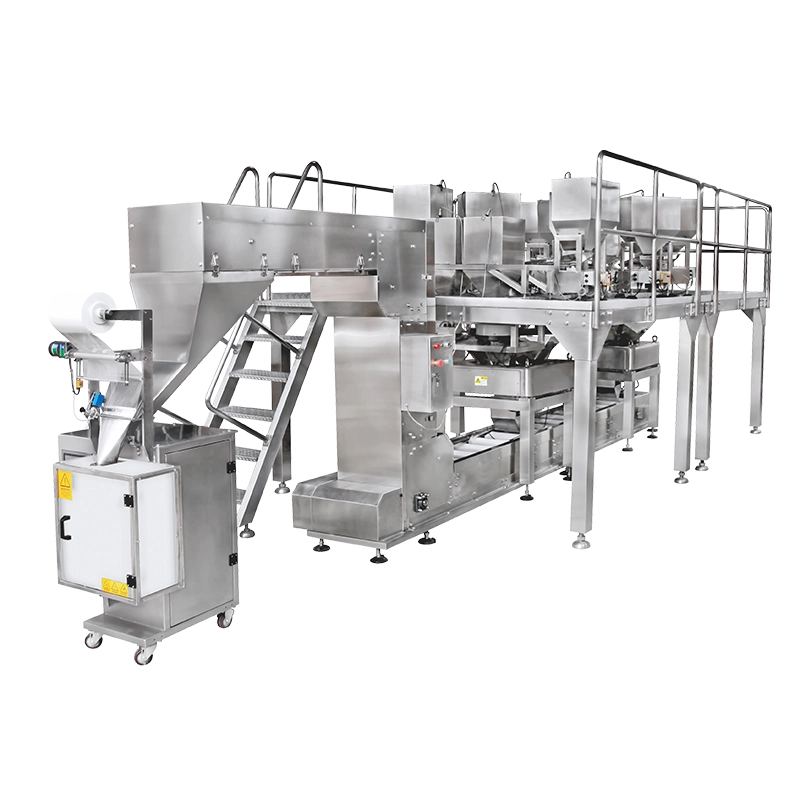
JW-B28 Multihead Weigher Mixing & Weighing System for Food Packaging | High-Speed, Accurate, Automated
The Kenwei JW-B26 Single Multihead Weigher Mixing and Packaging System offers fully automated operation, completing feeding, weighing, filling, date printing, and product output with high accuracy and speed. Ideal for granules, slices, irregular shapes, and mixed products like candy, nuts, snacks, pet food, and even small hardware. Its versatility and precision make it a perfect solution for diverse packaging needs.
Vertical Frozen Food Packaging Machine for IQF & Frozen Products JW-B1
The Kenwei JW-B1 Vertical Frozen Food Packaging Machine is designed for IQF and frozen products, ensuring efficient, airtight packing. This vertical packing machine boosts productivity with precision sealing, ideal for frozen food packaging needs in the food industry.
Contact Kenwei
Our company is located in areas with convenient transportation and developed economy. Our products are supplied in a timely manner. In the course of business operation, we always focus on customers.Have any questions or concerns about our products? Please leave us a message here, and our team will get back to you promptly.
Kenwei
Kenwei
Kenwei multi weigh
Kenwei
Kenwei
Kenwei