


Standard Multihead Weigher with New Springless Actuator
Kenwei’s standard multihead weigher with a new springless actuator delivers fast, accurate, and reliable automatic weighing for snacks, confectionery, frozen foods, fresh produce, and other free-flowing products. Its actuator design helps reduce mechanical wear and maintenance requirements while supporting flexible integration with automated packaging lines. Kenwei provides complete weighing and packaging solutions, commissioning, training, and after-sales service from its manufacturing base in Guangdong, China.
- How Can This Automatic Portion Weigher Improve Production?
- Why is accurate combination weighing important for manufacturers?
- What production problems does the springless actuator address?
- How does faster weighing affect total packaging costs?
- What Products and Packaging Lines Suit This Multihead Weighing Machine?
- Which products can be handled efficiently?
- How can the machine connect with a complete packaging system?
- What hygiene and quality requirements should buyers review?
- How Should Buyers Select and Operate a Standard Multihead Weigher?
- Which specifications should be confirmed before purchase?
- How can operators maintain stable weighing accuracy?
- Why are installation and after-sales support decisive?
- How Does Kenwei Support Long-Term Weighing Automation?
- What expertise does Kenwei bring to the project?
- How can customers begin a customized solution review?
- Frequently Asked Questions About the Standard Multihead Weigher

Kenwei’s standard multihead weigher is an automated weighing solution designed for high-speed, high-precision portion control. Equipped with a new springless actuator, the machine is engineered to improve operating reliability, simplify maintenance, and support stable discharge performance for snacks, confectionery, frozen foods, vegetables, grains, and other free-flowing products. Its modular construction allows integration with vertical form-fill-seal, premade pouch, tray, and other packaging systems, helping manufacturers reduce giveaway, labor dependence, and production interruptions while maintaining consistent pack weights.
How Can This Automatic Portion Weigher Improve Production?
Why is accurate combination weighing important for manufacturers?
Manual weighing and volumetric filling often create inconsistent portions, excessive product giveaway, and slow line speeds. A multihead weigher solves this problem by distributing product across several weighing hoppers and selecting the combination that most closely matches the target weight. This approach supports repeatable portions and gives manufacturers tighter control over raw-material costs, particularly when handling high-value snacks, nuts, seafood, or confectionery.
Combination weighing also helps packaging lines respond to changing product requirements. Operators can adjust target weight, tolerance, discharge timing, and product settings through the control system rather than repeatedly changing mechanical components. The result is a more flexible production process that can serve multiple pack sizes while maintaining traceable and repeatable weighing performance.
What production problems does the springless actuator address?
Actuators are repeatedly exposed to movement, vibration, product dust, moisture, and frequent washing requirements. The new springless actuator design reduces reliance on conventional spring components that may fatigue, deform, or require replacement over time. Fewer wear-sensitive parts can help lower planned maintenance demand and support more dependable hopper opening and closing during continuous operation.
This design is especially useful for factories seeking to reduce unplanned downtime. Stable actuator behavior helps the weighing cycle remain consistent, while easier servicing allows maintenance personnel to identify and resolve issues more efficiently. Actual service life depends on product characteristics, cleaning procedures, operating hours, and maintenance discipline, so application testing remains important before final equipment selection.
How does faster weighing affect total packaging costs?
Higher weighing throughput can increase the output of an existing packaging machine or help a new line achieve its planned capacity with fewer operators. Because the weighing cycle is automated, staff can focus on material replenishment, quality checks, and packaging supervision instead of manually preparing every portion. Reduced labor intensity is valuable in regions where skilled production workers are difficult to recruit or retain.
Product giveaway is another major cost factor. Even a small excess per package can become significant across thousands of packs each day. By selecting optimized hopper combinations, a multihead weigher can help maintain the target weight more consistently than manual or purely volumetric methods, provided the product is properly conditioned and the equipment is correctly calibrated.
What Products and Packaging Lines Suit This Multihead Weighing Machine?
Which products can be handled efficiently?
The machine is suited to many free-flowing products that can be conveyed into individual weigh hoppers. Typical applications include potato chips, puffed snacks, biscuits, candy, nuts, seeds, dried fruit, frozen vegetables, fresh produce, pet food, and selected hardware or industrial components. Product behavior matters: excessive stickiness, irregular moisture, extreme fragility, or poor flow may require customized contact surfaces, feeding equipment, or software settings.
Application engineering should evaluate bulk density, particle size, friability, oil content, temperature, moisture, and desired target weight. These factors affect feed speed, hopper size, vibration settings, and discharge timing. Kenwei’s experience in weighing and packaging automation allows the proposed configuration to be matched with the product rather than treating every material as a standard application.
How can the machine connect with a complete packaging system?
A multihead weigher normally operates above a packaging machine and communicates through discharge signals, timing parameters, and product-level controls. It can be configured for vertical bagging, premade pouch filling, tray loading, canning, or other downstream formats. Supporting equipment may include an infeed conveyor, distribution conveyor, metal detector, check weigher, finished-product conveyor, and reject system.
Integration should be planned around available floor space, product transfer height, packaging speed, electrical requirements, sanitation access, and data communication. A correctly matched line prevents bottlenecks between weighing and sealing. Kenwei provides one-stop automated weighing and packaging solutions, including design support, installation, commissioning, technical training, and after-sales service.
What hygiene and quality requirements should buyers review?
Food processors should review the machine’s product-contact materials, cleanability, drainage, access points, and protection against contamination. Hygienic design is not only a machine feature; it also depends on documented cleaning procedures, allergen controls, inspection routines, and employee training. Buyers can use the principles described by the FDA food manufacturing preventive controls guidance when assessing equipment within a broader food safety program.
Where metal contamination is a concern, the weighing machine can be paired with an appropriate metal detector and check weigher. The ISO 22000 food safety management standard provides a useful framework for integrating equipment operation into hazard-control procedures. Final compliance requirements vary by product, market, and plant design, so the buyer should confirm applicable regulations and validation responsibilities before ordering.
How Should Buyers Select and Operate a Standard Multihead Weigher?
Which specifications should be confirmed before purchase?
Start with the target weight range, required bags per minute, product characteristics, allowable weight tolerance, number of weighing heads, hopper capacity, discharge height, and available installation space. The correct configuration is determined by the combination of these variables rather than by speed alone. A machine selected only for maximum theoretical output may perform poorly if the product is sticky, fragile, irregular, or difficult to distribute evenly.
Buyers should also confirm electrical standards, control-language requirements, washdown expectations, spare-parts availability, and compatibility with the packaging machine. Ask for a product test using representative samples and production settings. This test can reveal whether the requested accuracy and throughput are realistic and whether special feeding, anti-stick treatment, or customized contact parts are needed.
How can operators maintain stable weighing accuracy?
Stable performance requires regular zero checks, calibration verification, cleaning, inspection of product-contact areas, and timely replacement of worn components. Product buildup around hopper gates or load cells can affect movement and weighing results, while unstable infeed can create uneven hopper loading. Operators should follow documented start-up and shutdown procedures and record deviations instead of making undocumented adjustments.
Calibration should be performed with suitable certified test weights and according to the plant’s quality system. The National Institute of Standards and Technology weights and measures resources explain why measurement traceability and verification are important in commercial weighing. Maintenance intervals should be based on operating hours, cleaning frequency, product abrasiveness, and the manufacturer’s recommendations.
Why are installation and after-sales support decisive?
Even a technically capable weighing machine can underperform if it is poorly positioned, incorrectly leveled, or badly synchronized with the packaging line. Professional commissioning verifies feeding stability, target weights, discharge timing, reject logic, safety functions, and operator settings. It also gives production staff practical training before the line enters routine operation.
Kenwei combines equipment manufacturing with design, development, marketing, installation, commissioning, technical training, and after-sales service. This integrated capability helps reduce communication gaps between the machine supplier and the end user. For international buyers, confirm response times, remote troubleshooting procedures, recommended spare parts, warranty conditions, and the availability of local technical assistance before signing the purchase contract.
How Does Kenwei Support Long-Term Weighing Automation?
What expertise does Kenwei bring to the project?
Guangdong Kenwei is located in Fusha High-tech Industrial Park, Zhongshan City, Guangdong Province, and specializes in multihead weighers, linear weighers, metal detectors, check weighers, and automated weighing and packaging systems. Its capabilities cover product development, manufacturing, line design, commissioning, training, and service, enabling customers to address both the weighing unit and the wider production workflow.
That breadth is important for B2B buyers who need dependable output rather than an isolated machine. A supplier that understands feeding, weighing, inspection, packaging, and rejection can identify interface risks earlier and propose a more practical line architecture. Kenwei’s focus on high speed, high precision, and responsive service supports manufacturers seeking scalable automation for demanding production environments.
How can customers begin a customized solution review?
Provide the product name, target weights, package format, required speed, product photographs or samples, existing equipment details, and plant constraints. These inputs allow the engineering team to assess hopper configuration, feeding method, discharge height, inspection requirements, and packaging compatibility. A clear technical brief also reduces quotation delays and helps distinguish essential requirements from optional upgrades.
Customers should request a complete proposal covering machine configuration, utilities, layout, commissioning scope, operator training, spare parts, warranty, and expected performance conditions. This documentation creates a practical reference for procurement, installation, and future maintenance. It also ensures that the selected multihead weigher is evaluated against measurable production goals rather than broad claims alone.
Frequently Asked Questions About the Standard Multihead Weigher
What products can this multihead weigher handle?
This multihead weigher is suitable for many free-flowing products, including potato chips, candy, nuts, seeds, dried fruit, frozen vegetables, fresh produce, pet food, and selected hardware components. Final suitability depends on bulk density, particle size, moisture, stickiness, fragility, target weight, and the required feeding and packaging configuration.
What is the benefit of the new springless actuator?
The new springless actuator is designed to reduce reliance on conventional spring components that may fatigue or deform during repeated operation. This can support more stable hopper movement, simplify maintenance, and reduce wear-related interruptions, although actual service life depends on operating hours, product properties, cleaning methods, environmental conditions, and the plant’s maintenance schedule.
How should weighing accuracy be maintained?
Accuracy should be maintained through routine zero checks, calibration verification, cleaning, inspection of hopper gates and product-contact areas, and timely replacement of worn parts. Plants should use documented procedures and suitable certified test weights, while calibration frequency should reflect production hours, washdown frequency, product buildup, and the requirements of the site’s quality management system.
Can the machine be integrated with a complete packaging line?
Yes, the machine can be configured for integration with vertical baggers, premade pouch systems, tray filling, canning, check weighers, metal detectors, conveyors, and reject equipment. Successful integration requires confirmation of discharge height, line speed, timing signals, controls, floor space, sanitation access, electrical requirements, and the communication interface between the weighing and packaging equipment.
What information should be supplied for a quotation?
A quotation request should include the product type, photographs or samples, target weight range, required packs per minute, package format, allowable tolerance, existing packaging-machine details, installation location, power requirements, hygiene expectations, and desired inspection equipment. These details help engineers recommend the appropriate hopper arrangement, feeding system, line layout, and service scope.
Does Kenwei provide installation and technical training?
Kenwei provides support covering automated solution design, installation, commissioning, technical training, and after-sales service. The exact scope, schedule, travel arrangements, spare-parts package, and response process should be confirmed in the commercial and technical proposal. Proper commissioning verifies weighing, discharge timing, packaging synchronization, safety functions, and operator settings before production.
Tags
automatic food packing machine
automatic food packing machine
premade pouch packing machine
premade pouch packing machine
Precision linear weigher for snacks
Precision linear weigher for snacks
metal detector procedure food industry
metal detector procedure food industry
powder packaging machine
powder packaging machine
metal detector machine in food industry
metal detector machine in food industry
Recommended for you
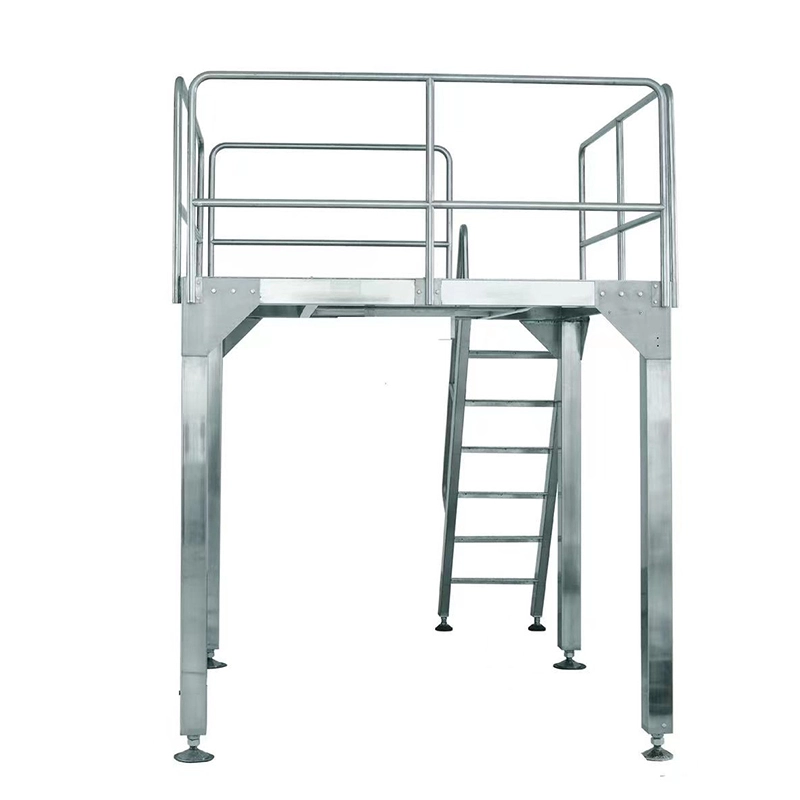
JW-B20 Semi-Auto Powder Packing: Key Specs Buyers Need
Routine Maintenance Checklist for Food Metal Detectors
Top 5 automatic check weigher Company List and Products Compared
Top Combination Weigher Brands and Manufacturer Comparison
You may also like
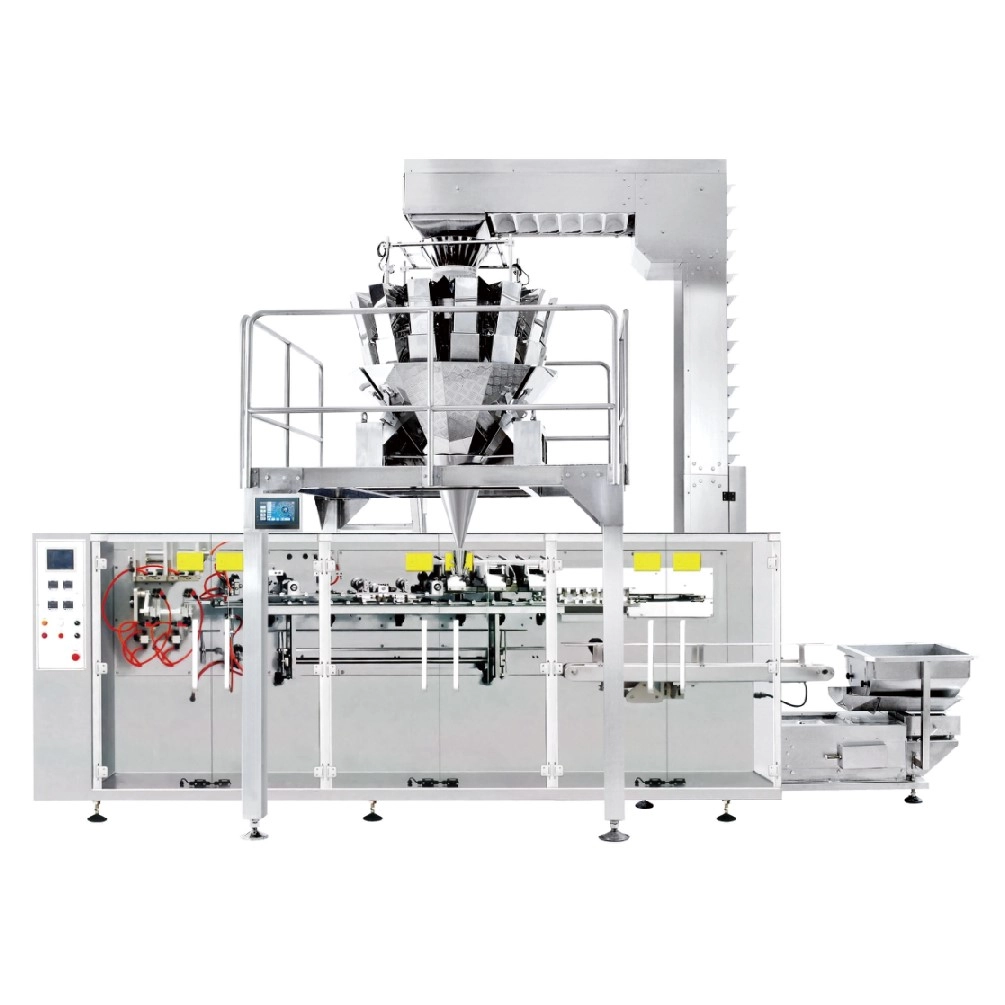
Horizontal Packaging Machine With Multihead Weigher for Weighing Pet Foods Puffy Foods B11
Horizontal Packaging Machine With Multihead Weigher for Weighing Pet Foods Puffy Foods B11 is a fully automatic solution for high-speed, high-accuracy packaging. Ideal for snacks like candy, jelly, nuts, and puffed food, as well as hardware and plastic granules in various shapes. It supports premade bags with firm, attractive sealing. Designed for customers needing high production efficiency and large output capacity.
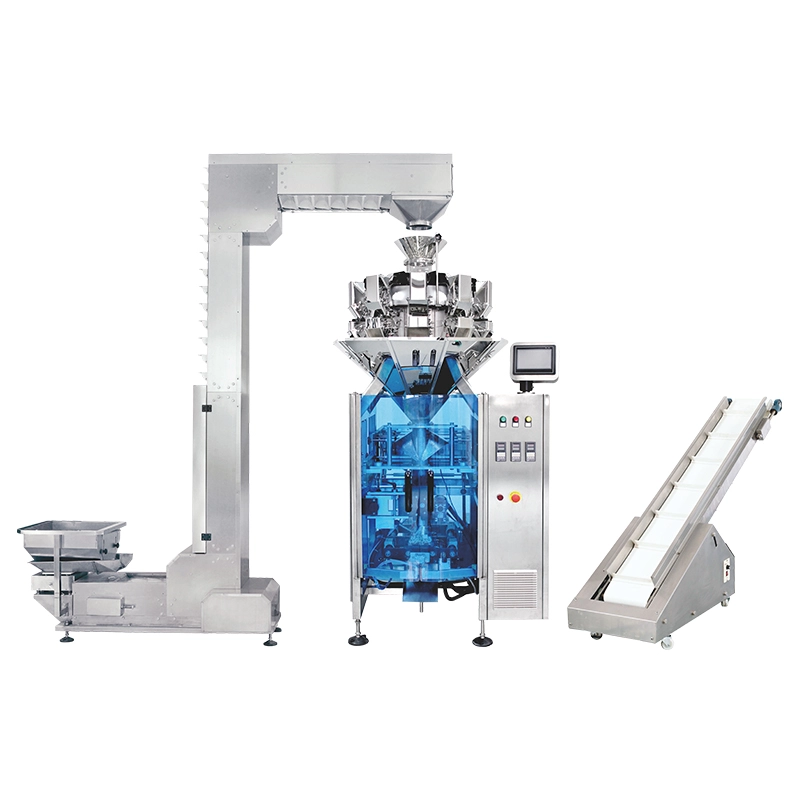
Combined Multihead Weighing Weigher and Packaging Machine with Z Conveyor JW-B4
The JW-B4 Combined Multihead Weighing and Packaging Machine with Z Conveyor is a compact, fully automatic solution ideal for packing snacks, nuts, candies, pet food, frozen products, hardware, and more. It integrates feeding, weighing, filling, sealing, and labeling with high precision and speed. Suitable for a wide range of materials, it’s perfect for space-limited production lines.
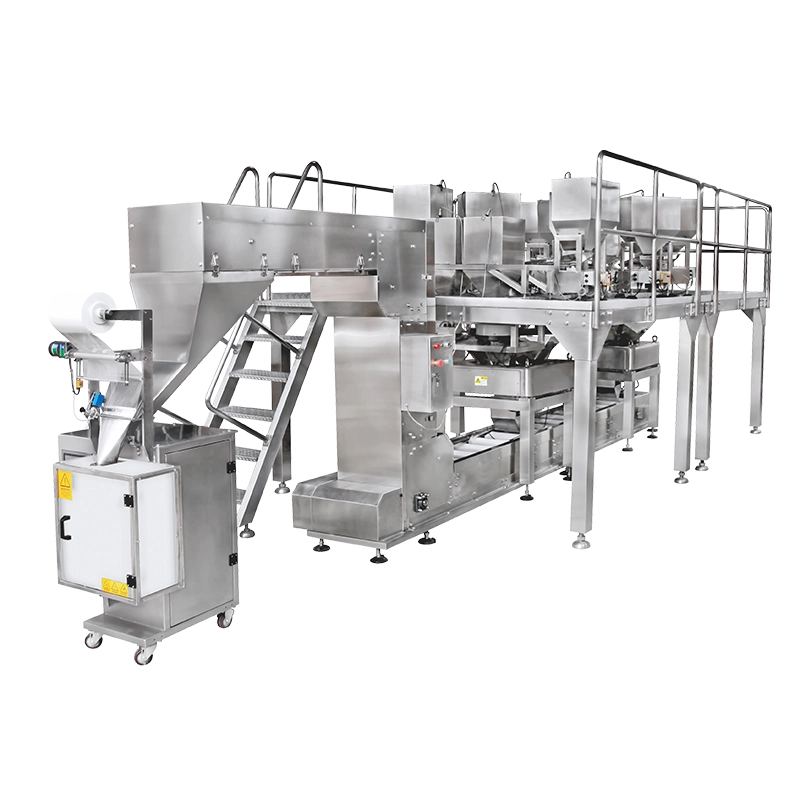
JW-B28 Multihead Weigher Mixing & Weighing System for Food Packaging | High-Speed, Accurate, Automated
The Kenwei JW-B26 Single Multihead Weigher Mixing and Packaging System offers fully automated operation, completing feeding, weighing, filling, date printing, and product output with high accuracy and speed. Ideal for granules, slices, irregular shapes, and mixed products like candy, nuts, snacks, pet food, and even small hardware. Its versatility and precision make it a perfect solution for diverse packaging needs.
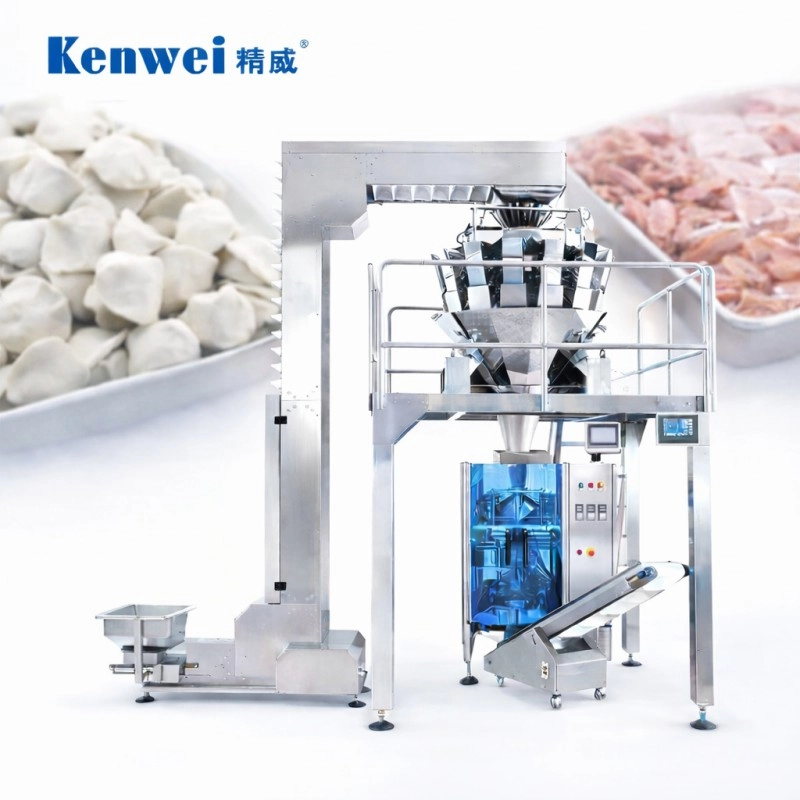
Vertical Frozen Food Packaging Machine for IQF & Frozen Products JW-B1
The Kenwei JW-B1 Vertical Frozen Food Packaging Machine is designed for IQF and frozen products, ensuring efficient, airtight packing. This vertical packing machine boosts productivity with precision sealing, ideal for frozen food packaging needs in the food industry.
Contact Kenwei
Our company is located in areas with convenient transportation and developed economy. Our products are supplied in a timely manner. In the course of business operation, we always focus on customers.Have any questions or concerns about our products? Please leave us a message here, and our team will get back to you promptly.
Kenwei
Kenwei
Kenwei multi weigh
Kenwei
Kenwei
Kenwei