


3-Head Linear Weigher Packaging Machine for Small Granules
Kenwei’s 3-head linear weigher packaging machine is designed for accurate, efficient weighing of small granules such as seeds, grains, pulses, sugar, salt, spices, and similar free-flowing products. Its compact three-head configuration helps processors improve portion consistency, reduce manual labor, and connect weighing with automated bagging systems while supporting customized packaging line requirements.
- How Can a Three-Head Linear Weigher Improve Small-Granule Packaging?
- Why Is Linear Weighing Suitable for Small Granules?
- What Production Problems Can Three Weighing Heads Solve?
- What Features Should Buyers Evaluate Before Selecting a Multihead Weigher?
- How Do Accuracy, Speed, and Product Flow Affect Machine Selection?
- Why Are Hygiene, Cleaning, and Access Important?
- How Can Controls and Integration Reduce Operator Workload?
- How Should Companies Implement and Maintain a Small-Granule Weighing Line?
- What Should Happen During Application Testing and Commissioning?
- How Can Preventive Maintenance Protect Accuracy?
- Why Does Supplier Support Influence Long-Term Return on Investment?
- What Should Buyers Know About the 3-Head Linear Weigher?

Kenwei’s multihead weigher solution for small granules combines controlled feeding, accurate weighing, and straightforward integration with an automatic packaging machine. The three-head linear configuration is suited to products such as seeds, grains, pulses, sugar, salt, rice, spices, and other free-flowing materials that require dependable portion control. For processors facing inconsistent manual weights, high labor costs, product giveaway, or limited floor space, this machine provides a practical route to more stable production and a scalable automated weighing and packing process.
How Can a Three-Head Linear Weigher Improve Small-Granule Packaging?
Why Is Linear Weighing Suitable for Small Granules?
A linear weigher is particularly useful when the product flows consistently and the target weight must be achieved with controlled, repeatable feeding. Separate weighing heads receive product, measure the required quantity, and discharge it after the programmed target is reached. This approach helps reduce variation between bags and gives operators better control over filling performance than manual scooping or volume-based filling.
Small granules can be affected by moisture, particle size, bulk density, and flow behavior. A suitable multihead weigher must therefore provide stable contact surfaces, carefully controlled feed settings, and accessible components for cleaning and inspection. Kenwei’s equipment is developed for high-speed, high-precision weighing applications, allowing the final configuration to be matched to the product characteristics and required package format.
What Production Problems Can Three Weighing Heads Solve?
Three weighing heads provide a balanced solution for companies that need improved accuracy without investing in a larger system than their output requires. The configuration can support more consistent dosing, faster operator workflows, and easier synchronization with a bagmaker, premade pouch machine, or other downstream packaging equipment.
The main commercial benefit is control over giveaway. Even a small excess in every package can become a significant annual cost when thousands of units are produced. By using programmed weighing rather than estimation, the operator can establish repeatable target values and monitor performance more effectively. This supports better raw-material utilization while maintaining the declared net quantity required for retail or industrial distribution.
What Features Should Buyers Evaluate Before Selecting a Multihead Weigher?
How Do Accuracy, Speed, and Product Flow Affect Machine Selection?
Buyers should evaluate the required target weight, acceptable tolerance, product flowability, package rate, and material characteristics before selecting a weighing system. A high-speed multihead weigher is not automatically the right choice if the product bridges, sticks, fractures, or feeds unevenly. The most effective system is one in which the weighing method, hopper design, control logic, and discharge timing are matched to the application.
Kenwei’s engineering approach focuses on high speed and high precision, but actual performance depends on product testing and operating conditions. A professional assessment should consider particle size distribution, bulk density, humidity, electrostatic behavior, and the desired bag size. These details help determine feeding settings, contact materials, hopper arrangement, and the most suitable connection to the packaging machine.
Why Are Hygiene, Cleaning, and Access Important?
Food and agricultural products require a machine design that supports efficient cleaning, inspection, and maintenance. Smooth stainless-steel product-contact surfaces, accessible weighing areas, and a layout that minimizes product retention can reduce sanitation risk and shorten changeover work. These considerations are especially important when one machine handles multiple varieties of grains, seeds, spices, or dry ingredients.
Food manufacturers should also establish procedures for sanitation, allergen control, calibration checks, and preventive maintenance. International food-safety frameworks such as ISO 22000 food safety management guidance can help companies structure these procedures. Equipment selection should support documented operating controls rather than treating hygiene as an afterthought.
How Can Controls and Integration Reduce Operator Workload?
A modern weighing system should allow operators to adjust target weights, feeding parameters, and product programs without complicated manual intervention. Clear controls help reduce setup errors during product changes and allow production teams to respond quickly when the material or package specification changes. Data visibility also makes it easier to identify underweight, overweight, or unstable operating conditions.
Integration is equally important. The weighing machine should communicate reliably with the packaging unit, discharge product at the correct moment, and fit the available conveyor, platform, and bagging layout. Kenwei provides one-stop automated weighing and packaging solutions, including design, manufacturing, installation, commissioning, technical training, and after-sales support. This single-source approach can reduce coordination problems between equipment suppliers.
How Should Companies Implement and Maintain a Small-Granule Weighing Line?
What Should Happen During Application Testing and Commissioning?
Application testing should be based on the customer’s actual product and target package rather than generic assumptions. Samples should be checked for flow behavior, dust, moisture, particle size, and bulk-density changes. Engineers can then assess feeding stability, target-weight consistency, discharge timing, and the relationship between the weigher and the packaging machine.
During commissioning, operators should receive practical training on recipe setup, cleaning, calibration verification, troubleshooting, and safe operation. A controlled start-up should confirm that product reaches each weighing head consistently and that the packaging machine accepts each discharge without delays. This process is essential for turning nominal machine capability into reliable production performance.
How Can Preventive Maintenance Protect Accuracy?
Preventive maintenance protects both weighing accuracy and equipment availability. Operators should inspect product-contact areas, remove buildup, check hopper movement, verify sensor condition, and review fasteners and electrical connections according to the manufacturer’s instructions. Calibration and test-weight checks should be scheduled at defined intervals and after significant cleaning, relocation, or component replacement.
Maintenance records are valuable because they connect accuracy changes with product type, operating hours, cleaning frequency, and corrective actions. Guidance from the FDA current good manufacturing practice principles emphasizes controlled processes, sanitary conditions, and documented practices for applicable food operations. A disciplined maintenance program also helps identify wear before it causes repeated production stoppages.
Why Does Supplier Support Influence Long-Term Return on Investment?
Weighing equipment is a production asset, so the supplier’s support capability matters beyond the initial purchase. Buyers should ask who will handle installation, commissioning, operator training, spare parts, troubleshooting, software support, and future modifications. Fast technical assistance can reduce downtime when a product changes or a packaging format is expanded.
Guangdong Kenwei is located in Fusha High-tech Industrial Park, Zhongshan City, Guangdong Province, and has capabilities covering design and development, manufacturing, marketing, installation, commissioning, training, and after-sales service. Its portfolio includes metal detectors, multihead weighers, linear weighers, and check weighers, enabling customers to develop a coordinated automated weighing and packaging line rather than assembling disconnected components.
To evaluate whether Kenwei’s three-head solution matches your product, target weight, package format, and production goals, contact Kenwei customer service for an application assessment and customized quotation.
What Should Buyers Know About the 3-Head Linear Weigher?
What products can the three-head linear weigher handle?
The three-head linear weigher is suitable for many free-flowing small granules, including seeds, grains, pulses, sugar, salt, rice, and spices. Final suitability depends on particle size, moisture, bulk density, flow behavior, target weight, and packaging format, so product testing is recommended before confirming the machine configuration.
How does this machine reduce product giveaway?
The machine reduces giveaway by using programmed weighing instead of manual estimation or volume-only filling. Its weighing heads measure controlled portions against a defined target, helping operators maintain more consistent net weights and identify unstable feeding conditions, although the achievable tolerance depends on the product and selected operating parameters.
Can the weigher connect to an automatic packaging machine?
Yes, the three-head linear weigher can be configured to work with downstream automatic packaging equipment. Integration should be engineered around discharge timing, bag or pouch format, conveyor height, communication signals, and required production rate, with commissioning used to verify smooth transfer and prevent interruptions between weighing and packing.
What maintenance checks are important for weighing accuracy?
Important checks include cleaning product-contact areas, removing material buildup, inspecting hopper movement, verifying sensor condition, checking electrical connections, and performing scheduled calibration or test-weight checks. These tasks should follow the manufacturer’s procedures and be recorded, particularly after relocation, major cleaning, component replacement, or a noticeable change in weighing results.
Does Kenwei provide installation and technical training?
Yes, Kenwei provides comprehensive support covering installation, commissioning, technical training, and after-sales service. Support can help operators learn recipe setup, cleaning, calibration verification, safe operation, and troubleshooting, while engineering assistance helps confirm that the weigher, packaging machine, and other line equipment operate as a coordinated system.
Tags
food industry metal detector
food industry metal detector
metal detectors for the food industry
metal detectors for the food industry
food metal detector
food metal detector
automated food packaging machine
automated food packaging machine
multi head weigher
multi head weigher
Stainless steel linear weigher
Stainless steel linear weigher
Recommended for you
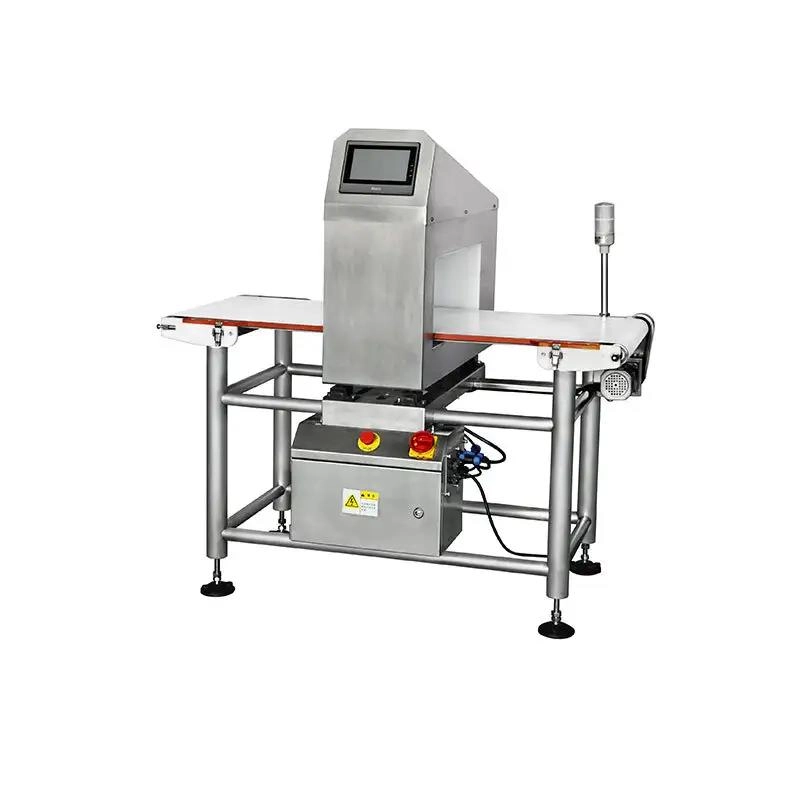
Choosing the Right Metal Detector for Food Industry G5020 Guide

Maintenance Checklist for Good Metal Detectors in Food Plants
The multi head weigher machine Cost Guide
Multihead Weigher Buyer’s Guide: Choose the Right Model for Your Line
You may also like
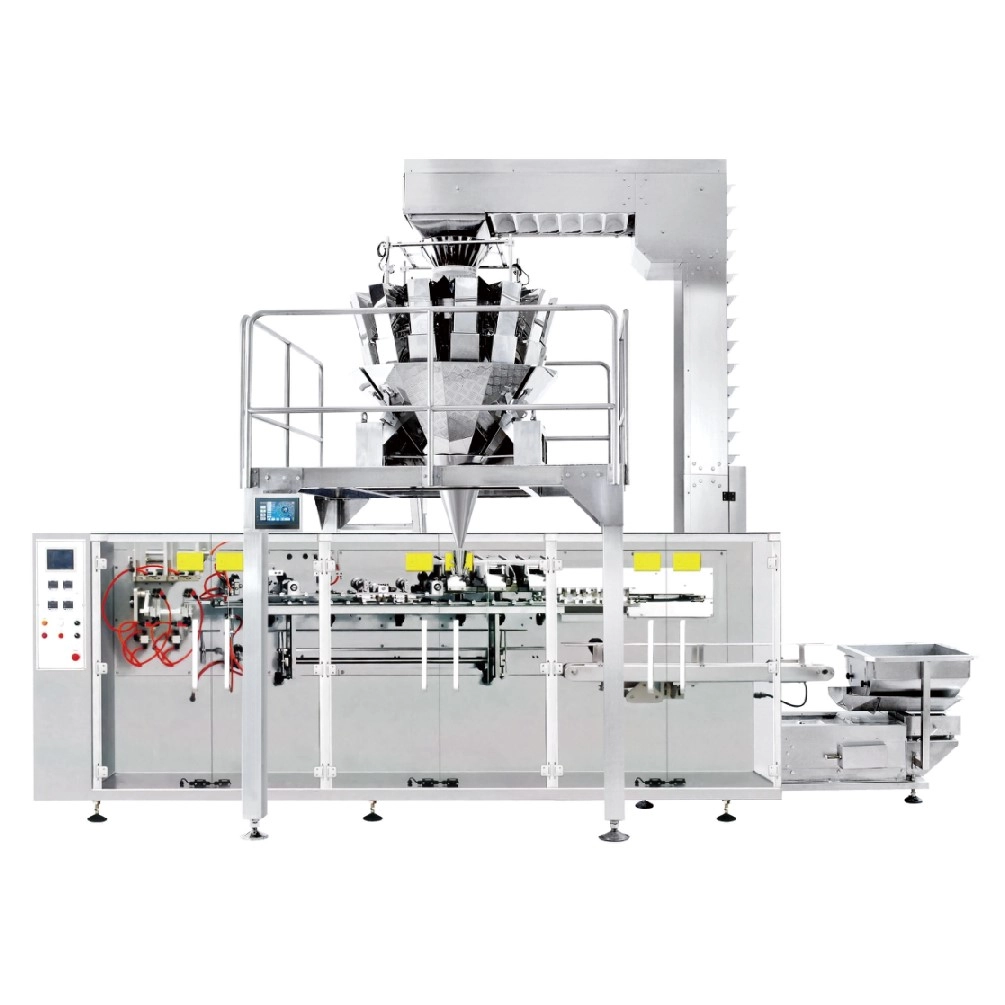
Horizontal Packaging Machine With Multihead Weigher for Weighing Pet Foods Puffy Foods B11
Horizontal Packaging Machine With Multihead Weigher for Weighing Pet Foods Puffy Foods B11 is a fully automatic solution for high-speed, high-accuracy packaging. Ideal for snacks like candy, jelly, nuts, and puffed food, as well as hardware and plastic granules in various shapes. It supports premade bags with firm, attractive sealing. Designed for customers needing high production efficiency and large output capacity.
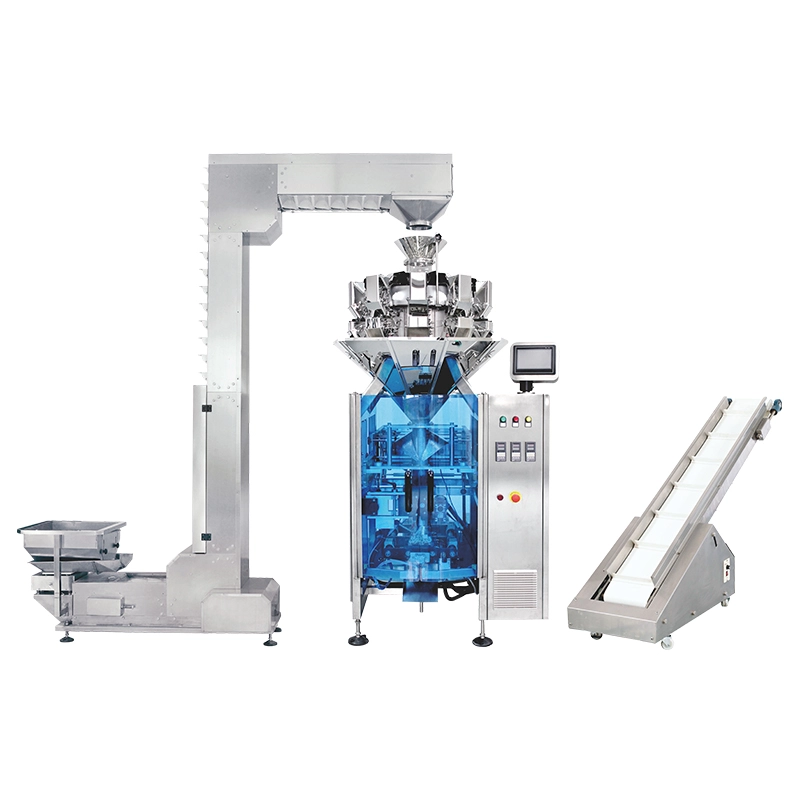
Combined Multihead Weighing Weigher and Packaging Machine with Z Conveyor JW-B4
The JW-B4 Combined Multihead Weighing and Packaging Machine with Z Conveyor is a compact, fully automatic solution ideal for packing snacks, nuts, candies, pet food, frozen products, hardware, and more. It integrates feeding, weighing, filling, sealing, and labeling with high precision and speed. Suitable for a wide range of materials, it’s perfect for space-limited production lines.
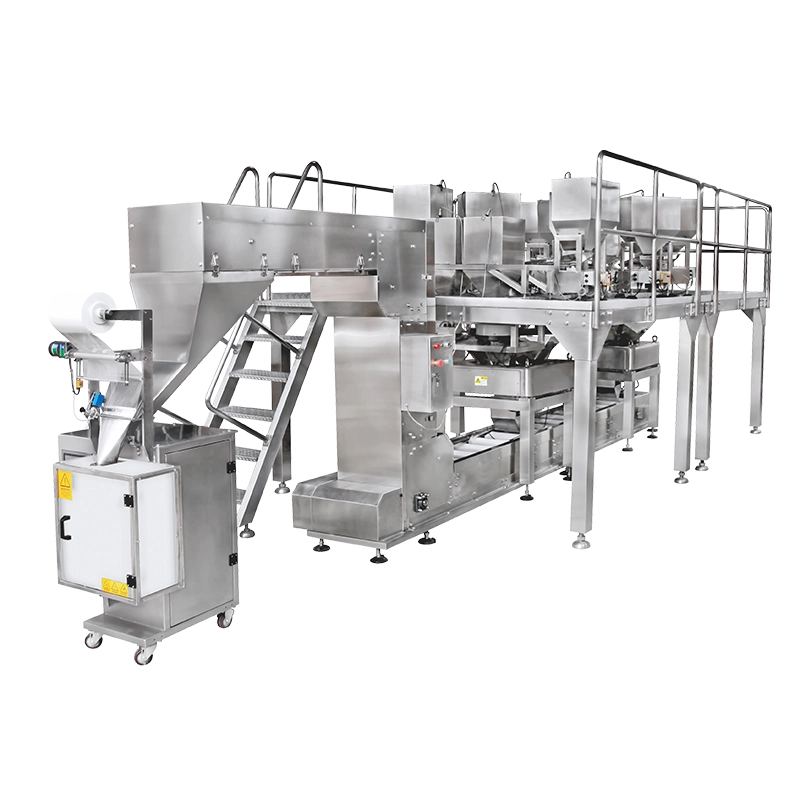
JW-B28 Multihead Weigher Mixing & Weighing System for Food Packaging | High-Speed, Accurate, Automated
The Kenwei JW-B26 Single Multihead Weigher Mixing and Packaging System offers fully automated operation, completing feeding, weighing, filling, date printing, and product output with high accuracy and speed. Ideal for granules, slices, irregular shapes, and mixed products like candy, nuts, snacks, pet food, and even small hardware. Its versatility and precision make it a perfect solution for diverse packaging needs.
Vertical Frozen Food Packaging Machine for IQF & Frozen Products JW-B1
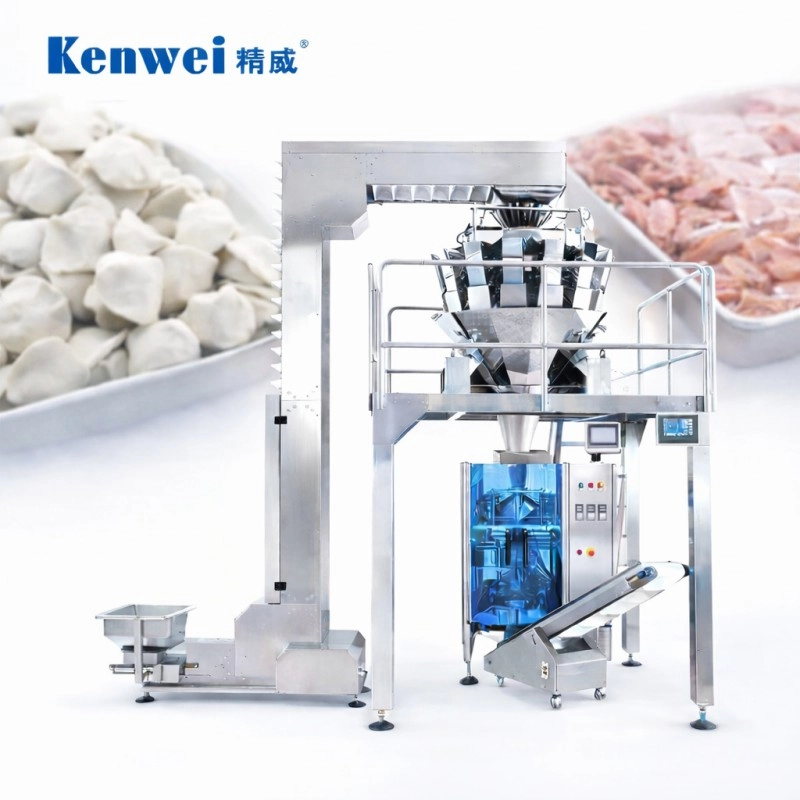
The Kenwei JW-B1 Vertical Frozen Food Packaging Machine is designed for IQF and frozen products, ensuring efficient, airtight packing. This vertical packing machine boosts productivity with precision sealing, ideal for frozen food packaging needs in the food industry.
Contact Kenwei
Our company is located in areas with convenient transportation and developed economy. Our products are supplied in a timely manner. In the course of business operation, we always focus on customers.Have any questions or concerns about our products? Please leave us a message here, and our team will get back to you promptly.
Kenwei
Kenwei
Kenwei multi weigh
Kenwei
Kenwei
Kenwei