


2 Heads Linear Weigher for Milk Powder 4.5L
Kenwei’s 2-head linear weigher for milk powder uses a compact dual-head weighing configuration and a 4.5L hopper capacity to deliver controlled, accurate dosing for powder packaging applications. It helps manufacturers reduce manual weighing, improve filling consistency, and integrate reliable weighing into semi-automatic or fully automated packaging lines.
- How Can a Two-Head Linear Weigher Improve Milk Powder Packaging?
- Why is dual-head weighing suitable for milk powder?
- How does automation reduce weighing waste and labor?
- What Technical Factors Should Buyers Check Before Selecting a Powder Weigher?
- How should product flowability and dust behavior be evaluated?
- What accuracy, capacity, and speed information is required?
- Which hygiene and compliance questions should be asked?
- Why Choose Kenwei for a Linear Weighing and Packaging Project?
- How does Kenwei support customized line integration?
- What service and lifecycle benefits can manufacturers expect?
- How should a buyer prepare a quotation request?
- Frequently Asked Questions About the Milk Powder Linear Weigher

Kenwei’s multihead weigher solution for milk powder is a compact two-head linear weighing machine designed for accurate, repeatable dosing where hygiene, product control, and straightforward operation are essential. With a 4.5L weighing capacity configuration, it supports controlled powder discharge into bags, pouches, cans, or other compatible packaging formats. The machine is especially relevant to dairy processors, nutrition manufacturers, ingredient suppliers, and contract packers seeking to replace inconsistent manual weighing with dependable automated feeding and weighing.
How Can a Two-Head Linear Weigher Improve Milk Powder Packaging?
Why is dual-head weighing suitable for milk powder?
Milk powder can bridge, compact, and generate dust during handling, making manual scooping slow and inconsistent. A two-head linear weigher divides the weighing process between two independent channels, allowing the control system to build an accurate target weight before releasing the product. This arrangement offers a practical balance between footprint, investment, and output for producers that do not require a high-channel industrial multihead weigher.
The 4.5L hopper configuration is suited to applications that need a useful product buffer without installing a large, complex system. Operators can match the working range to the package size, powder characteristics, and desired production rhythm. Actual accuracy and speed depend on bulk density, flowability, target weight, feeding method, and line integration, so a product trial remains the correct way to confirm performance before purchase.
How does automation reduce weighing waste and labor?
Manual weighing often creates giveaway because operators add extra powder to avoid underweight packs, while repeated scooping increases labor fatigue and exposes the process to variation. Automated linear weighing controls the feed and discharge sequence more consistently, helping the plant standardize portions and reduce corrective handling. The result is a cleaner workflow, more predictable material consumption, and easier coordination with a filling or sealing machine.
For growing factories, a compact multihead weigher or linear weighing system can also reduce dependence on a highly experienced operator. The machine can be positioned as part of a complete weighing and packaging line, while Kenwei’s engineering team supports design, commissioning, training, and after-sales service. This is important when the buyer needs equipment that works with existing conveyors, bag makers, auger fillers, or container handling systems.
What Technical Factors Should Buyers Check Before Selecting a Powder Weigher?
How should product flowability and dust behavior be evaluated?
Milk powder is not a uniform material: fat content, moisture, particle size, and formulation affect how it feeds through the hopper. A buyer should provide representative samples and disclose bulk density, target weight, acceptable error, package format, and required rate. Testing these variables helps engineers determine whether the two-head linear weigher should use a particular feeder profile, discharge timing, or anti-bridging arrangement.
Dust control is equally important. Powder can settle on sensors, sealing surfaces, and machine frames, causing hygiene concerns or unstable weighing if the equipment is poorly matched to the application. The weighing area should therefore be easy to inspect and clean, with a layout that limits product retention. Food manufacturers should also align equipment procedures with FDA food safety and preventive-control guidance and their own sanitation program.
What accuracy, capacity, and speed information is required?
Do not compare a multihead weigher by headline speed alone. The meaningful specification is stable performance at the buyer’s actual target weight and product condition. Request test results showing average weight, standard deviation, percentage of acceptable packs, and product giveaway. Also confirm whether the stated 4.5L refers to hopper volume or another configured capacity, because usable working volume changes with powder density and filling level.
Production planning should connect weighing performance with the complete packaging cycle. A fast weighing machine cannot improve output if the bag maker, sealer, conveyor, or downstream checkweigher is slower. Kenwei can assess the full line and recommend a suitable control sequence, discharge timing, and equipment combination rather than treating the weigher as an isolated component.
Which hygiene and compliance questions should be asked?
Food plants should ask about contact-part materials, access for cleaning, inspection points, changeover time, and documentation supplied with the machine. These details affect both product safety and operational availability. A documented food safety management approach, such as the principles described by ISO 22000 food safety management standards, provides a useful framework for evaluating equipment risks, sanitation controls, and traceability responsibilities.
Buyers should also clarify electrical requirements, guarding, emergency-stop arrangements, operator access, and integration signals before approving the layout. Where the machine is installed in a regulated dairy or nutritional powder facility, validation records and cleaning instructions may be as important as the mechanical specification. Early review prevents expensive modifications after delivery.
Why Choose Kenwei for a Linear Weighing and Packaging Project?
How does Kenwei support customized line integration?
Kenwei is a manufacturer focused on weighing and packaging automation, including multihead weighers, linear weighers, checkweighers, and metal detectors. That product range allows the engineering team to consider upstream feeding, weighing, foreign-metal detection, weight verification, and final packaging as one coordinated process. This approach addresses a common buyer problem: equipment from separate suppliers may work individually but fail to exchange signals or maintain the required production rhythm.
The company’s capabilities cover design and development, manufacturing, marketing, installation and commissioning, technical training, and after-sales service. For a milk powder line, this support can include reviewing the product sample, confirming the weighing method, checking the available floor space, and defining the interface with the packaging machine. The objective is a practical solution that operators can run and maintain, not merely a machine specification on paper.
What service and lifecycle benefits can manufacturers expect?
Reliable service matters because a weighing line directly affects filling output and order delivery. A responsive supplier should provide operating guidance, maintenance recommendations, troubleshooting support, and replacement-part coordination. Kenwei’s location in Guangdong’s Zhongshan Fusha High-tech Industrial Park supports its manufacturing and service organization, while its one-stop project capability gives overseas buyers a clearer point of contact for technical questions.
Manufacturers should evaluate total cost of ownership rather than purchase price alone. Stable weighing can lower product giveaway, simplified operator control can reduce training requirements, and suitable integration can minimize manual transfer between process stages. A properly specified two-head linear weigher may be more economical than an oversized system when the required output, product range, and available space are moderate.
How should a buyer prepare a quotation request?
Send Kenwei the product name, sample formulation, bulk density, target pack weight, permissible tolerance, bags or containers used, expected packs per minute, available power, and line drawings. Include photographs of the current process if manual weighing or an existing filler is being replaced. These details let the technical team identify compatibility risks early and recommend a realistic configuration.
Ask for a clear scope covering machine dimensions, contact materials, hopper capacity, control method, included accessories, installation responsibilities, training, warranty terms, and expected commissioning conditions. Buyers should also request a sample test or factory acceptance procedure where practical. For broader food safety context, the World Health Organization’s food safety information reinforces why hygienic handling and controlled processing must remain central to equipment selection.
Contact Kenwei’s customer service team at kenwei01@multiweigh.com.cn to discuss your milk powder sample, target weight, output requirement, and complete automated weighing and packaging solution.
Frequently Asked Questions About the Milk Powder Linear Weigher
What is the Kenwei 2-head linear weigher used for?
The Kenwei 2-head linear weigher is used to portion milk powder and similar free-flowing or moderately difficult powders before packaging. Its dual weighing heads provide controlled dosing for bags, pouches, cans, or other compatible containers, helping replace manual scooping with more consistent weights and a repeatable production process.
What does the 4.5L capacity mean for this powder weigher?
The 4.5L designation identifies the configured hopper volume used to buffer and weigh product during operation. Usable capacity depends on milk powder bulk density, filling level, and product behavior, so buyers should confirm the working range with representative samples rather than assuming that hopper volume directly equals package weight.
Can this machine be integrated into an automatic packaging line?
Yes, the linear weigher can be specified for integration with suitable feeders, bag makers, filling systems, sealers, conveyors, checkweighers, or metal detectors. Compatibility depends on signal interfaces, machine speed, discharge height, product flow, and package format, which should be reviewed by Kenwei engineers before the final layout is approved.
How accurate is a two-head linear weigher for milk powder?
Accuracy depends on target weight, powder density, flowability, moisture, feeding stability, and operating settings rather than the head count alone. Kenwei should verify performance through a product test using the customer’s sample, with results reviewed for average weight, variation, acceptable-pack percentage, and product giveaway under realistic production conditions.
What information should be provided for a quotation?
A quotation request should include the powder formulation, bulk density, target weight, tolerance, package type, required packs per minute, available floor space, power supply, and existing equipment interfaces. Providing product samples or process videos can further improve the recommendation because powder behavior strongly influences feeder selection, discharge timing, and achievable performance.
Does Kenwei provide installation and after-sales support?
Kenwei provides capabilities covering installation and commissioning, technical training, equipment design, manufacturing, and after-sales service. The exact support scope depends on the project and destination, so buyers should confirm supervision, documentation, spare parts, warranty coverage, response procedures, and operator training requirements during contract planning.
Tags
food packaging machine china
food packaging machine china
multihead weigher
multihead weigher
metal detector standards food industry
metal detector standards food industry
metal detector for food
metal detector for food
checkweigher machine
checkweigher machine
Linear weigher for granules and pellets
Linear weigher for granules and pellets
Recommended for you
Best multi head packing machine manufacturers and supplier brands
What is multihead weigher ?
What are the application scenarios of pouch packing machine?
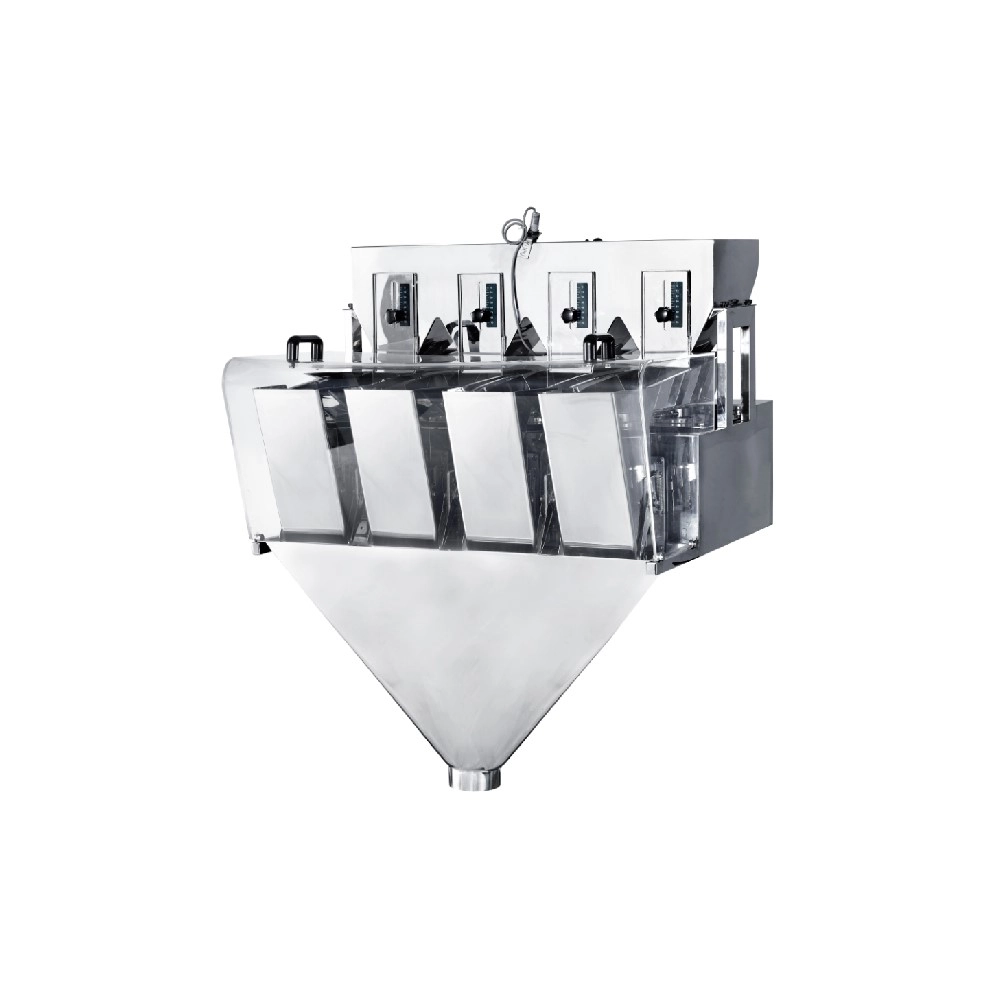
Choosing a Powder Packing Machine for Food Production Lines
You may also like
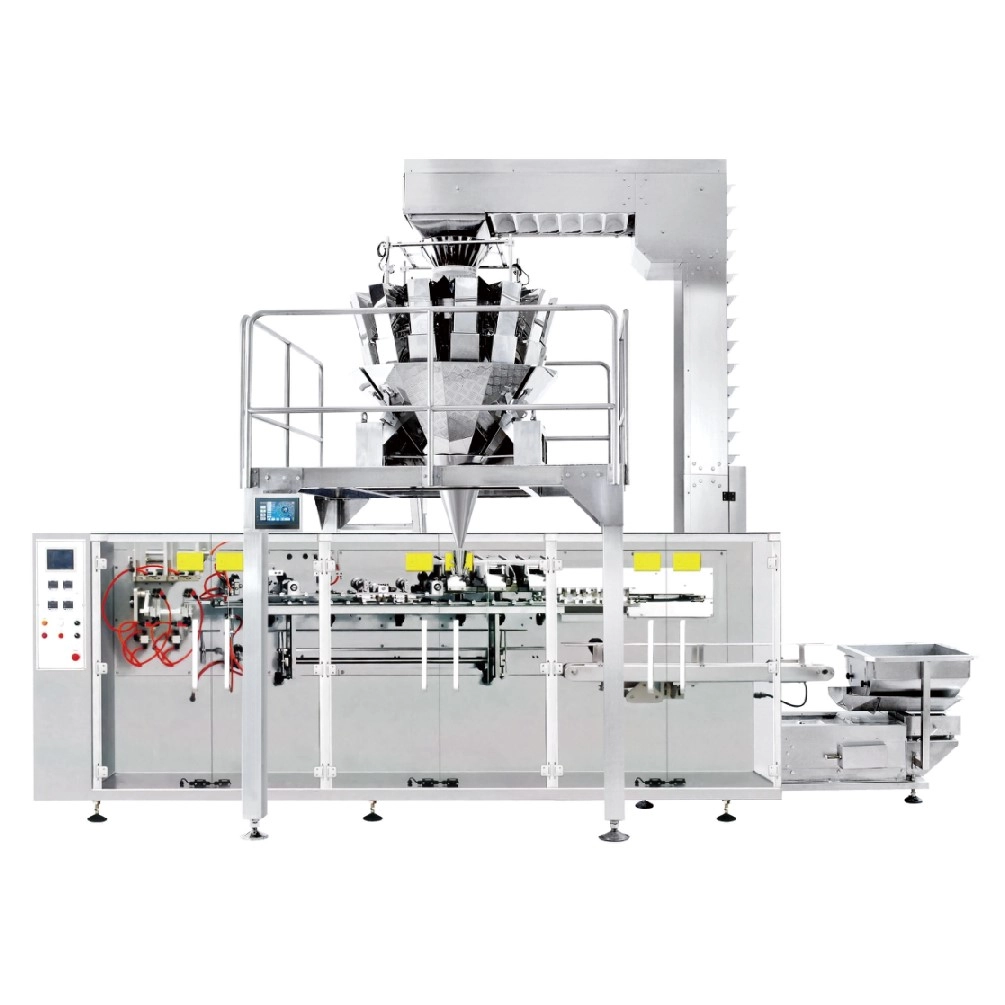
Horizontal Packaging Machine With Multihead Weigher for Weighing Pet Foods Puffy Foods B11
Horizontal Packaging Machine With Multihead Weigher for Weighing Pet Foods Puffy Foods B11 is a fully automatic solution for high-speed, high-accuracy packaging. Ideal for snacks like candy, jelly, nuts, and puffed food, as well as hardware and plastic granules in various shapes. It supports premade bags with firm, attractive sealing. Designed for customers needing high production efficiency and large output capacity.
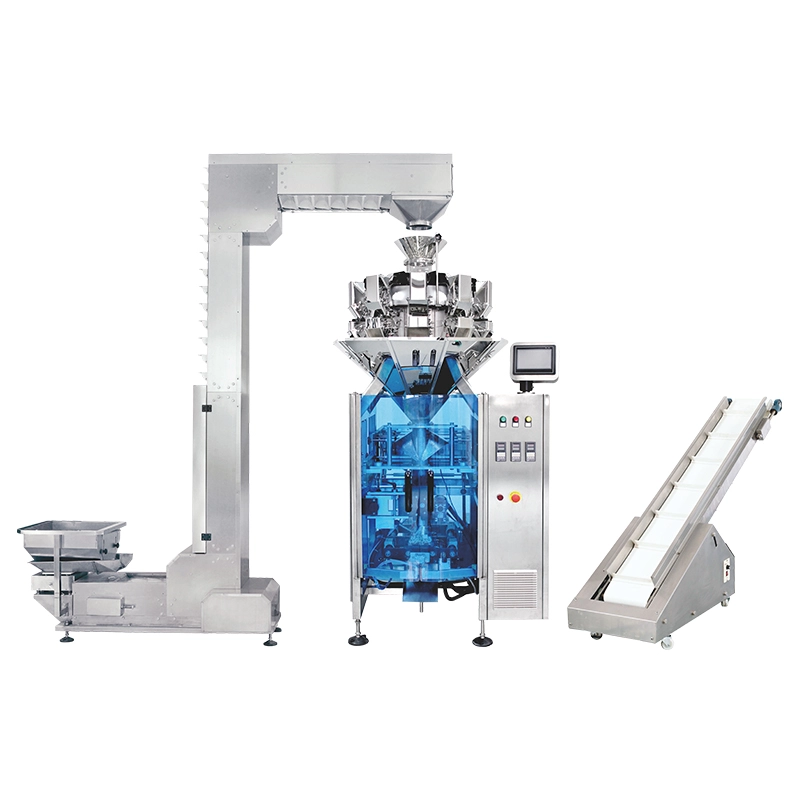
Combined Multihead Weighing Weigher and Packaging Machine with Z Conveyor JW-B4
The JW-B4 Combined Multihead Weighing and Packaging Machine with Z Conveyor is a compact, fully automatic solution ideal for packing snacks, nuts, candies, pet food, frozen products, hardware, and more. It integrates feeding, weighing, filling, sealing, and labeling with high precision and speed. Suitable for a wide range of materials, it’s perfect for space-limited production lines.
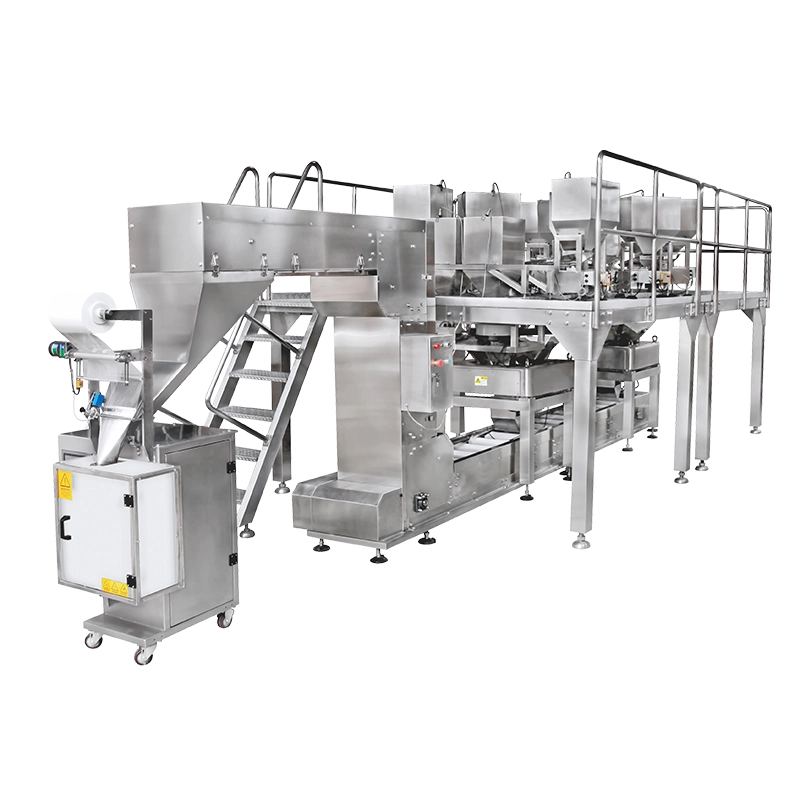
JW-B28 Multihead Weigher Mixing & Weighing System for Food Packaging | High-Speed, Accurate, Automated
The Kenwei JW-B26 Single Multihead Weigher Mixing and Packaging System offers fully automated operation, completing feeding, weighing, filling, date printing, and product output with high accuracy and speed. Ideal for granules, slices, irregular shapes, and mixed products like candy, nuts, snacks, pet food, and even small hardware. Its versatility and precision make it a perfect solution for diverse packaging needs.
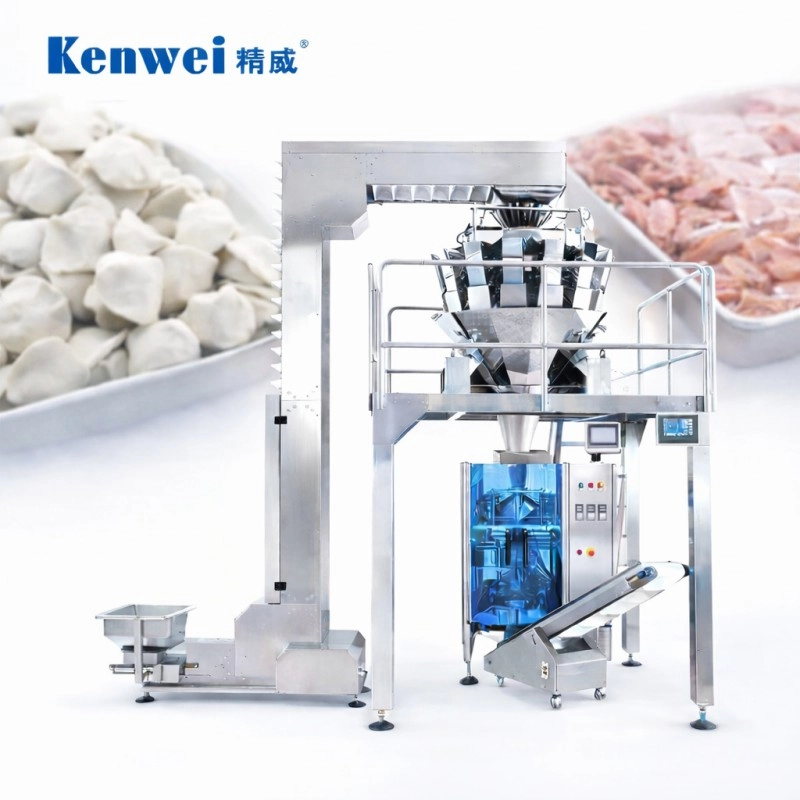
Vertical Frozen Food Packaging Machine for IQF & Frozen Products JW-B1
The Kenwei JW-B1 Vertical Frozen Food Packaging Machine is designed for IQF and frozen products, ensuring efficient, airtight packing. This vertical packing machine boosts productivity with precision sealing, ideal for frozen food packaging needs in the food industry.
Contact Kenwei
Our company is located in areas with convenient transportation and developed economy. Our products are supplied in a timely manner. In the course of business operation, we always focus on customers.Have any questions or concerns about our products? Please leave us a message here, and our team will get back to you promptly.
Kenwei
Kenwei
Kenwei multi weigh
Kenwei
Kenwei
Kenwei