


16-Head Multihead Weigher with Three Layers and 1.6L Hopper
Kenwei’s 16-head multihead weigher with three-layer weighing technology and 1.6L hoppers delivers fast, accurate, and flexible combination weighing for snacks, confectionery, frozen foods, grains, and other free-flowing products. Its multi-layer configuration supports efficient product distribution, while 16 weighing heads help improve target-weight consistency, reduce giveaway, and integrate smoothly with automated packaging lines.
- How Can a Three-Layer Combination Weigher Improve Packaging Performance?
- Why does the three-layer design support more stable product flow?
- What does a 1.6L hopper capacity mean for product handling?
- Why Should Food Manufacturers Choose This Multihead Weigher?
- How does 16-head weighing help reduce product giveaway?
- Which products can this automated weighing machine process?
- How can precision weighing improve overall line efficiency?
- How Do You Integrate and Specify an Industrial Weighing System?
- What should buyers verify before connecting the weigher to packaging equipment?
- How can hygienic design support food-processing compliance?
- What role does a manufacturer play after machine delivery?
- How Can Kenwei Help You Select the Right Automated Weighing Solution?
- Why is application testing important before purchase?
- What complementary equipment can complete the packaging line?
- How should a buyer request a customized quotation?
- What Do Buyers Need to Know About This Multihead Weigher?

Kenwei’s 16-head multihead weigher combines 16 weighing heads, three-layer product distribution, and 1.6L hoppers to provide high-speed, high-precision weighing for automated packaging applications. It is designed for manufacturers that need stable output, lower product giveaway, flexible handling of free-flowing products, and dependable integration with bagging, tray-sealing, or other downstream packaging equipment.
How Can a Three-Layer Combination Weigher Improve Packaging Performance?
Why does the three-layer design support more stable product flow?
A three-layer structure helps separate product distribution, storage, and weighing functions so material can move more consistently toward the weighing hoppers. This is especially useful when product flow must be controlled to prevent irregular feeding, bridging, or excessive accumulation above the weighing units. More stable feeding gives the control system better conditions for selecting accurate weight combinations.
What does a 1.6L hopper capacity mean for product handling?
The 1.6L hopper format is suitable for many snack, confectionery, frozen, granulated, and dry-food applications where controlled portions are more important than large-volume bulk loading. Hopper size should be matched to product density, target weight, particle size, and desired speed; Kenwei can help confirm the most suitable configuration before production.
Why Should Food Manufacturers Choose This Multihead Weigher?
How does 16-head weighing help reduce product giveaway?
A 16-head arrangement creates multiple possible weight combinations, allowing the machine to select a combination close to the target instead of relying on a single hopper or fixed filling cycle. In high-volume production, even a small reduction in giveaway can significantly affect material costs, particularly when processing High Quality snacks, nuts, seafood, frozen products, or confectionery.
Which products can this automated weighing machine process?
This machine is generally appropriate for free-flowing or semi-free-flowing products such as potato chips, pellets, candy, pasta, nuts, seeds, cereals, frozen vegetables, and similar materials. Product characteristics still determine the final configuration, because sticky, oily, fragile, dusty, or irregular products may require tailored contact surfaces, discharge settings, vibration parameters, or feeding solutions.
How can precision weighing improve overall line efficiency?
Accurate combination weighing reduces the need for manual checking, rework, and repeated filling adjustments. When connected to an automated packaging line, the weigher can synchronize discharge timing with the bag maker or other packing equipment, helping maintain predictable production flow. The result is better labor utilization, more consistent pack weights, and improved operational visibility.
How Do You Integrate and Specify an Industrial Weighing System?
What should buyers verify before connecting the weigher to packaging equipment?
Buyers should confirm target weight, allowable tolerance, product temperature, bulk density, moisture, particle size, expected bags per minute, discharge height, and available floor space. Electrical requirements, communication signals, frame dimensions, and the interface with the vertical form-fill-seal machine or premade pouch system should also be reviewed to prevent costly installation changes.
How can hygienic design support food-processing compliance?
Food manufacturers should evaluate cleanability, accessible product-contact areas, drainage, material selection, and the procedures used for inspection and sanitation. A documented food-safety program should align with recognized systems such as ISO 22000 food safety management principles. The appropriate hygienic specification depends on the product, cleaning method, environmental conditions, and local regulations.
What role does a manufacturer play after machine delivery?
Successful automation depends on more than the machine itself. Kenwei provides design and development, manufacturing, installation and commissioning, technical training, and after-sales service, helping customers move from equipment selection to stable production. This support is valuable when operators need assistance with recipe setup, combination parameters, troubleshooting, preventive maintenance, or future line expansion.
How Can Kenwei Help You Select the Right Automated Weighing Solution?
Why is application testing important before purchase?
Application testing helps confirm whether the selected hopper size, feeding method, contact material, vibration profile, and discharge sequence suit the actual product. Laboratory or sample testing can reveal issues such as sticking, breakage, segregation, unstable flow, or insufficient speed before the equipment is installed on a production floor. It also supports more realistic performance expectations.
What complementary equipment can complete the packaging line?
Kenwei develops and manufactures multihead weighers, linear weighers, check weighers, and metal detectors, enabling customers to coordinate weighing, inspection, and packaging through one supplier. For facilities pursuing stronger quality control, a check weigher can verify finished packs while a metal detector helps identify metallic contamination risks; guidance from FDA food safety resources can support broader compliance planning.
How should a buyer request a customized quotation?
Provide the product name, sample photos or samples, target weight, acceptable tolerance, desired speed, package format, current equipment, and site constraints. Also state whether the line requires metal detection, check weighing, nitrogen flushing, special discharge chutes, or washdown capability. Kenwei’s engineering team can then recommend a practical configuration rather than an unsuitable standard machine.
Kenwei is based in Zhongshan, Guangdong, and operates with capabilities covering design, production, commissioning, training, and service. Its focus on high-speed, high-precision weighing supports manufacturers seeking dependable automation and a clear path toward improved packaging productivity. For background on combination-weighing principles, buyers may also consult combination weigher technology information and compare specifications against their actual product requirements.
What Do Buyers Need to Know About This Multihead Weigher?
What is the head count of this Kenwei weighing machine?
This Kenwei machine uses 16 weighing heads to create multiple combinations for accurate target-weight selection. The head count provides a practical balance between speed, precision, and equipment footprint for many snack, confectionery, frozen-food, grain, and other free-flowing product applications.
What hopper capacity does the machine provide?
The machine is configured with 1.6L weighing hoppers for controlled handling of suitable free-flowing products. The correct capacity depends on bulk density, target weight, particle size, product behavior, and required speed, so application testing is recommended before finalizing the specification.
What products can a 16-head multihead weigher handle?
It can handle many free-flowing products, including chips, candy, nuts, seeds, cereals, pasta, pellets, frozen vegetables, and similar materials. Sticky, oily, fragile, dusty, or irregular products may require customized contact surfaces, feeding settings, discharge components, or an alternative weighing configuration.
Why is three-layer product distribution useful?
Three-layer distribution helps organize feeding, product storage, and weighing so material reaches the weighing hoppers more consistently. Better flow control can reduce unstable feeding and improve the control system’s ability to select accurate combinations, particularly in automated lines operating at high production speeds.
How should buyers prepare for a Kenwei quotation?
Buyers should provide the product type, sample information, target weight, tolerance, required speed, package style, and available installation space. Details about existing packaging equipment, cleaning conditions, metal detection, check weighing, and special product behavior allow Kenwei engineers to recommend a more accurate and cost-effective solution.
Does Kenwei provide installation and after-sales support?
Yes, Kenwei supports customers through equipment design, manufacturing, installation and commissioning, technical training, and after-sales service. This assistance can help operators establish recipes, adjust combination parameters, complete line integration, resolve operating issues, and maintain stable performance after the machine enters production.
Tags
automatic granule packaging machine
automatic granule packaging machine
Dual-channel counting machine
Dual-channel counting machine
metal detectors for the food industry
metal detectors for the food industry
power packaging machine
power packaging machine
food packaging sealing machine
food packaging sealing machine
kenwei multihead weigher
kenwei multihead weigher
Recommended for you
Hygienic Design Features in Food Metal Detectors

Two-Layer Belt Vibrate Linear Weigher Machine
Integrating Multihead Weighers with Food Packing Machines
Calibrating Multihead Weighers for Accurate Food Packing
You may also like
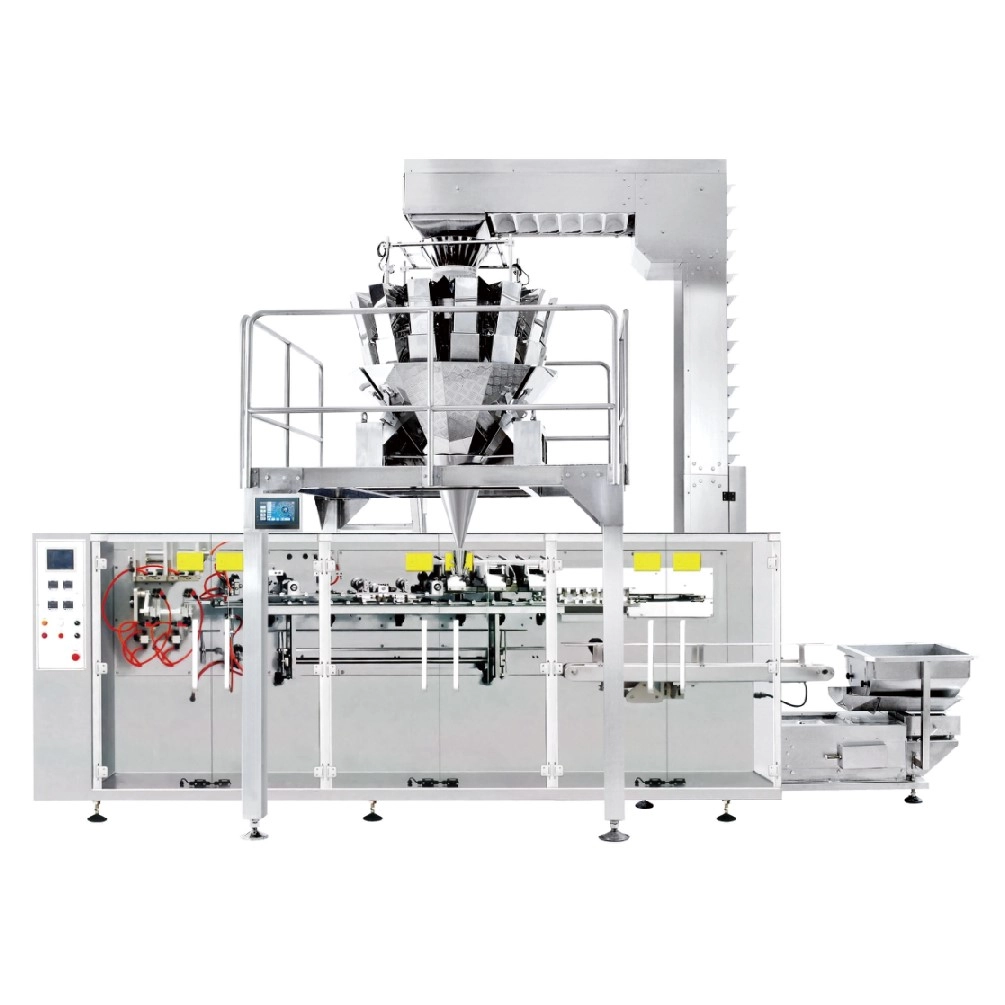
Horizontal Packaging Machine With Multihead Weigher for Weighing Pet Foods Puffy Foods B11
Horizontal Packaging Machine With Multihead Weigher for Weighing Pet Foods Puffy Foods B11 is a fully automatic solution for high-speed, high-accuracy packaging. Ideal for snacks like candy, jelly, nuts, and puffed food, as well as hardware and plastic granules in various shapes. It supports premade bags with firm, attractive sealing. Designed for customers needing high production efficiency and large output capacity.
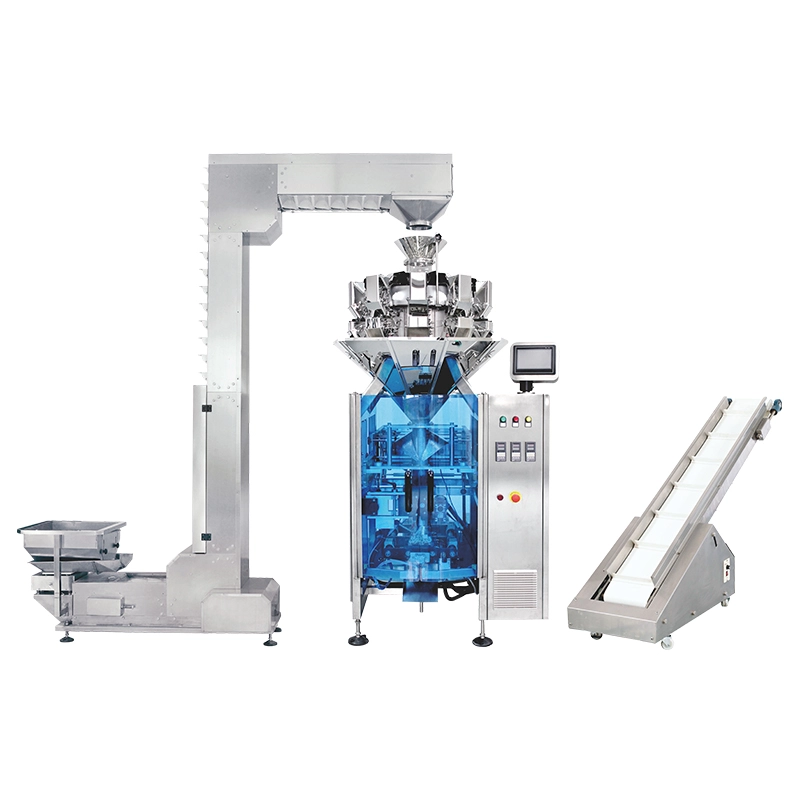
Combined Multihead Weighing Weigher and Packaging Machine with Z Conveyor JW-B4
The JW-B4 Combined Multihead Weighing and Packaging Machine with Z Conveyor is a compact, fully automatic solution ideal for packing snacks, nuts, candies, pet food, frozen products, hardware, and more. It integrates feeding, weighing, filling, sealing, and labeling with high precision and speed. Suitable for a wide range of materials, it’s perfect for space-limited production lines.
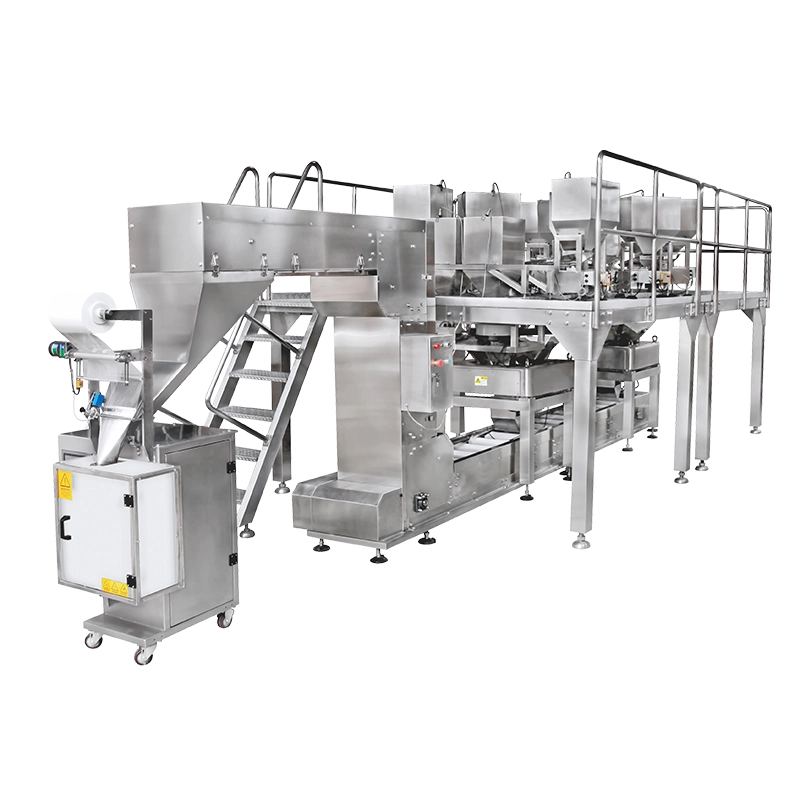
JW-B28 Multihead Weigher Mixing & Weighing System for Food Packaging | High-Speed, Accurate, Automated
The Kenwei JW-B26 Single Multihead Weigher Mixing and Packaging System offers fully automated operation, completing feeding, weighing, filling, date printing, and product output with high accuracy and speed. Ideal for granules, slices, irregular shapes, and mixed products like candy, nuts, snacks, pet food, and even small hardware. Its versatility and precision make it a perfect solution for diverse packaging needs.
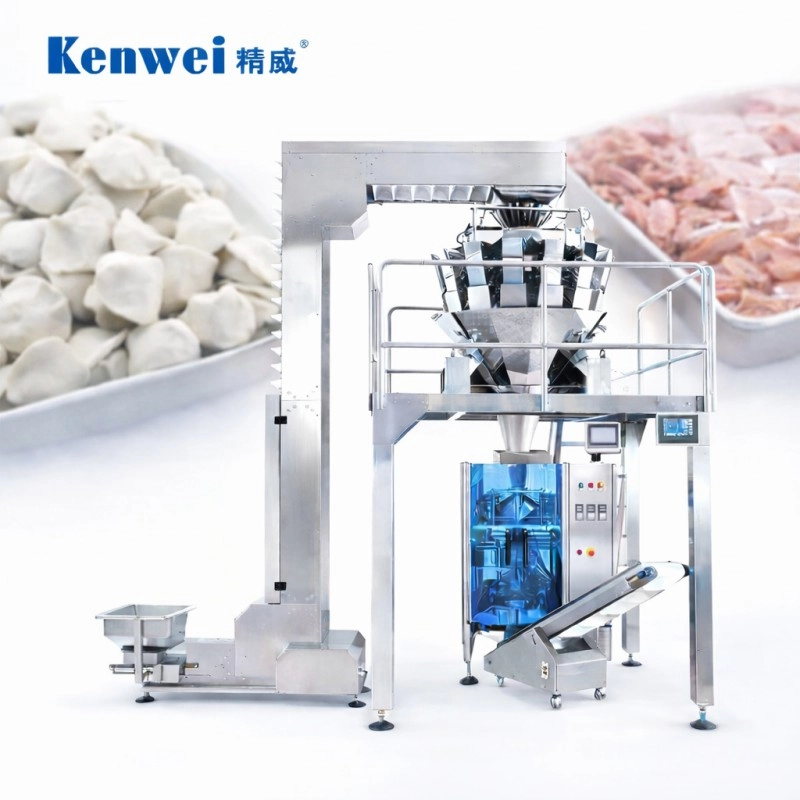
Vertical Frozen Food Packaging Machine for IQF & Frozen Products JW-B1
The Kenwei JW-B1 Vertical Frozen Food Packaging Machine is designed for IQF and frozen products, ensuring efficient, airtight packing. This vertical packing machine boosts productivity with precision sealing, ideal for frozen food packaging needs in the food industry.
Contact Kenwei
Our company is located in areas with convenient transportation and developed economy. Our products are supplied in a timely manner. In the course of business operation, we always focus on customers.Have any questions or concerns about our products? Please leave us a message here, and our team will get back to you promptly.
Kenwei
Kenwei
Kenwei multi weigh
Kenwei
Kenwei
Kenwei